Technical Articles & Insights
Welding & Metal Cutting Knowledge Hub
Explore technical guides, machine selection advice, and industrial fabrication insights backed by 60 years of engineering experience.
Blog
What Is a Heavy Duty ARC Welding Machine?
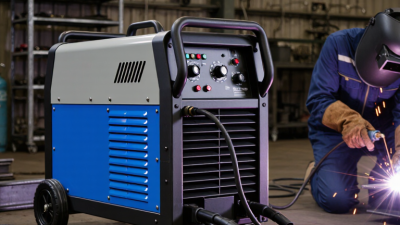
A Heavy Duty ARC Welding Machine is built for demanding arc work: thicker sections, longer duty cycles, and repeated passes in workshops or on construction sites. It converts electrical power into a controlled arc, melting the electrode and parent metal to form a joint. In practice, the machine’s weight and maximum amperage tell only part of the story. Duty cycle, input power, arc stability, cooling, and the electrode range matter just as much.
The scale of the work is growing. The American Welding Society’s 2023 workforce research projected that the United States would need 330,000 welding professionals by 2028. That figure reflects demand across manufacturing, infrastructure, and repair—not a guarantee that every job needs a heavy-duty unit. For a buyer, that distinction matters. A powerful machine may handle thick plate, but poor setup can still produce spatter, uneven bead edges, or unnecessary heat distortion.
Welding metallurgist Dr. David J. Kotecki’s published work emphasizes that weldability depends on the relationship between the base metal, filler, and process. Put plainly: “Match the process to the joint.” This is a practical summary, not a direct quotation. A heavy-duty ARC welder makes sense when its output, duty cycle, and electrode compatibility fit the actual work. Check the nameplate. Consider the jobsite supply. And remember, bigger is not always better.
Read more »
 By:Oliver
- October 29, 2026
Top 10 Pneumatic Spot Welding Machines for Global Buyers
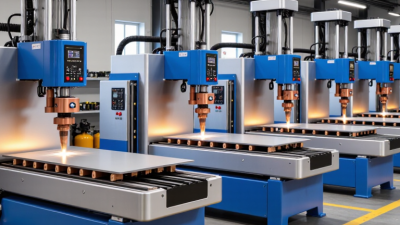
Choosing among the top 10 Pneumatic Spot Welding Machine options requires more than comparing prices and advertised tonnage. Global buyers must examine welding current, pneumatic force, electrode alignment, duty cycle, controller accuracy, and replacement-part access. A machine that performs well on thin stainless steel may struggle with galvanized sheets or uneven assemblies. The details matter.
John C. Lippold, a respected welding engineer and author, offers a practical principle: “Consistent weld quality depends on controlling the process, not merely selecting powerful equipment.” That idea fits pneumatic spot welding closely. Stable air pressure, clean electrodes, correct squeeze time, and repeatable current settings create dependable nuggets. Small variations can leave visible burn marks, weak joints, or costly rework.
This guide compares ten machines for factories, contract manufacturers, repair workshops, and international production lines. It considers real operating conditions, including compressed-air quality, operator training, maintenance access, noise, and local electrical requirements. Service support also deserves attention. A low purchase price can become expensive when seals, transformers, or controllers are difficult to replace.
No machine is perfect.
Some models offer excellent force control but limited flexibility. Others provide strong output while demanding more careful maintenance. That trade-off is easy to overlook. The rankings therefore focus on practical value, weld consistency, safety features, documentation, and long-term usability. Buyers should still test representative materials before ordering. Product literature can be helpful, but it cannot fully predict performance on every assembly, thickness, or production schedule.
Read more »
 By:Evelyn
- October 24, 2026
How to Choose the Best CNC Cutting Machine for Your Business?
Choosing the best CNC Cutting Machine is not simply a price comparison. It is a production decision.
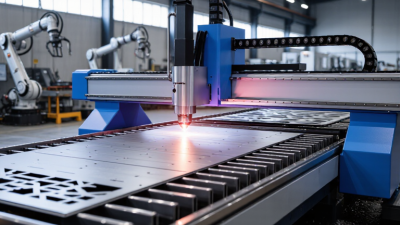
A machine may look impressive under showroom lights, yet struggle with your daily workload. Check material thickness, sheet size, tolerances, cutting speed, and expected utilization. A compact workshop may need a flexible fiber laser. A heavy fabrication plant may require higher power, stronger extraction, and automated loading.
Industry data shows why this decision deserves careful attention. The International Federation of Robotics reported 541,302 industrial robots were installed worldwide in 2023. This reflects a broader manufacturing shift toward repeatable, connected production. Meanwhile, Grand View Research has projected continued growth in the global CNC machine market through 2030. The figures are useful, but they do not replace a factory trial.
John Saunders, founder of NYC CNC, often emphasizes a practical principle: “The best machine is the one that makes you money.” That sentence deserves attention.
Look beyond the purchase price. Calculate consumable costs, operator training, maintenance response, software compatibility, energy use, and downtime. Ask suppliers to cut your actual material, not a perfect sample. Watch the edge quality closely. Feel the heat around the work area. Listen for vibration.
No machine is perfect.
A careful buyer should also admit uncertainty. Forecasts can change. Production volumes may fall. A faster machine can become expensive if programming remains slow. This guide explains how to compare machine types, verify supplier claims, and match technical capability with realistic business needs. The right CNC Cutting Machine should improve measurable output, not merely decorate the workshop.
Read more »
By:Evelyn
- October 19, 2026
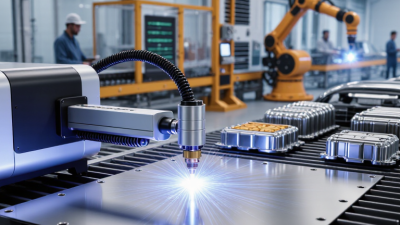
10 Tips for Choosing a Laser Welding Machine?
Choosing a Laser Welding Machine is not simply a matter of comparing power ratings. It affects weld consistency, production speed, operator safety, and long-term operating costs. Grand View Research estimates that the global laser welding machine market will continue expanding through 2030, driven by electric vehicles, aerospace production, medical devices, and precision manufacturing. The report also highlights automation and fiber-laser adoption as major growth factors.
Market forecasts vary because researchers define the sector differently. That detail matters. A compact 1,000-watt fiber system may suit thin stainless-steel housings, while a high-power platform may be necessary for structural automotive parts. MarketsandMarkets also identifies automotive electrification and battery manufacturing as important demand drivers. Still, a larger laser is not automatically the better choice.
Dr. John C. Lippold, a respected welding researcher and professor, offers a practical reminder: “Welding is a process, not simply an equipment purchase.” His point deserves attention. A machine should match the material, joint design, tolerances, production volume, and available technical support. A bright showroom demonstration can hide porosity, distortion, or unstable penetration.
This guide presents ten practical tips for selecting a Laser Welding Machine. It considers laser source, power, beam quality, automation, cooling, software, maintenance, training, and return on investment. Some recommendations may need adjustment. Real production conditions are rarely perfect. The strongest decision usually comes from documented trial welds, measured results, and honest conversations with experienced integrators.
Read more »
 By:Ethan
- October 14, 2026
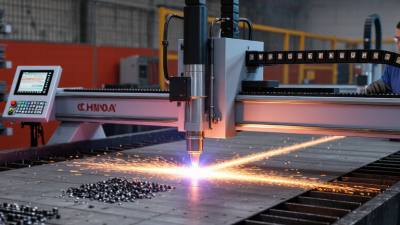
What Is the Best China Plasma Cutting Machine?
Choosing the best China Plasma Cutting Machine requires more than comparing prices, amperage, or attractive product photographs. It requires evidence from real cutting conditions. Grand View Research and MarketsandMarkets both report continued growth in the global plasma cutting equipment sector, supported by metal fabrication, construction, shipbuilding, and automated manufacturing. Their forecasts differ in market size and growth rate. That difference matters. Industry data is directional, not a purchasing guarantee.
A reliable evaluation should examine piercing capacity, duty cycle, torch design, consumable life, kerf width, cut-speed charts, and after-sales support. Ask for test cuts on your actual steel thickness. Watch the arc pierce a 12-millimeter plate. Inspect the underside for dross. Small details often expose weak performance. Jim Colt, a widely recognized plasma-cutting educator and author, has expressed the practical principle, “The best plasma cutter is the one that fits the job.” That remains more useful than calling one brand universally superior.
The best China Plasma Cutting Machine may be a compact 60-amp unit for repair workshops, or a high-definition CNC system for continuous production. Certification, electrical compatibility, replacement-part availability, and operator training also influence ownership cost. A lower purchase price can become expensive when consumables arrive late or technical support disappears. I would not rank machines from specifications alone. A transparent comparison should combine factory experience, independent testing, published data, and customer feedback. Even then, conclusions require caution, because material quality and operator skill can change results dramatically.
Read more »
By:Oliver
- October 9, 2026
China Top 10 Stud Welding Machine Manufacturers?
Choosing a reliable Stud Welding Machine manufacturer requires more than comparing advertised power ratings. Weld quality depends on machine stability, stud diameter range, duty cycle, control accuracy, and after-sales support. A compact unit may suit repair work, while heavy fabrication demands stronger current output and cooling capacity.
This guide introduces China’s top 10 stud welding machine manufacturers through practical industry criteria. The comparison considers product experience, manufacturing capability, certification practices, export performance, and technical service. It also looks at details that operators notice daily, such as trigger response, cable flexibility, gun balance, and arc consistency on steel surfaces.
Real workshop conditions matter.
A machine should perform steadily beside a noisy production line, not only in a showroom demonstration. Manufacturers with strong engineering teams usually provide clearer welding parameters, replacement parts, training materials, and troubleshooting guidance. These factors can reduce downtime when a control board fails or a weld becomes inconsistent during a long shift.
However, no ranking fits every buyer. Some manufacturers publish limited technical data, while distributor claims may not fully reflect factory performance. This article therefore treats the top 10 as a practical starting point, not an absolute judgment. Buyers should verify samples, inspect factory quality controls, confirm service response times, and request test results for their specific materials. Stainless steel, mild steel, and aluminum may require different settings. Small oversights can become expensive.
The strongest supplier is not always the largest. It is the one that matches your application, budget, production volume, and long-term support expectations.
Read more »
By:Ethan
- October 4, 2026
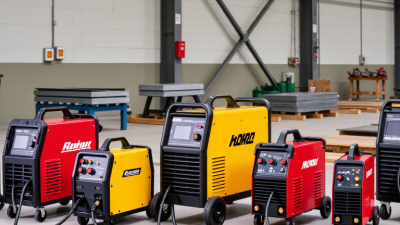
7 Best ARC Welding Machines for Global Buyers?
Choosing an ARC Welding Machine for international purchasing is not just a matter of comparing output amperage. Buyers must match the machine to real work: steel thickness, available power, duty cycle, transport needs, and local service support. A compact inverter may suit repair crews moving between sites. A heavier transformer unit may make more sense in a workshop with steady production demands. Small details matter.
The market is growing. Grand View Research estimated the global welding equipment market at approximately USD 15.6 billion in 2023 and projected a 5.3% compound annual growth rate from 2024 to 2030. This broad category includes several welding technologies, so the figure should not be read as ARC-machine sales alone. Still, it signals sustained demand across construction, manufacturing, and infrastructure. The report is useful context, not a buying guarantee.
Technical standards also deserve attention. IEC 60974-1 sets requirements for arc-welding power sources, including safety and performance characteristics. Buyers should check a machine’s stated compliance, input voltage, rated duty cycle, and available documentation rather than relying on a headline specification. Ask how the rating was tested. Ask who can repair it.
This guide compares seven ARC welding machines for global buyers, focusing on practical performance, portability, controls, and support. There is no perfect shortlist. Product availability and service quality can vary by region, and published specifications do not always reflect demanding shop conditions. That deserves a second look.
Read more »
By:Ethan
- September 29, 2026
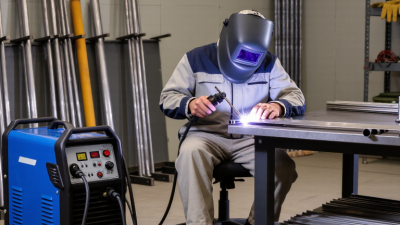
How to Choose the Best TIG Welding Machine?
Choosing the right TIG Welding Machine is less about buying the model with the most features and more about matching its capabilities to your work. A hobbyist repairing thin stainless-steel panels has different needs from a shop welding aluminum brackets all day. Material type matters: aluminum generally calls for AC capability, while steel and stainless steel are commonly welded with DC. Check the machine’s amperage range, too. A stable low-amp start can help prevent burn-through on thin sheet metal.
Power supply is another practical detail. Confirm whether the machine suits your available outlet, and consider its duty cycle if you expect longer welds. Controls matter at the bench: a foot pedal or torch control can make amperage adjustments easier, while high-frequency starting can help initiate an arc without touching the workpiece. Small details count. Torch comfort, cable length, gas connections, and replacement-part availability can shape everyday use more than a crowded feature list.
The best choice depends on your projects, experience, and workspace—not a single universal ranking. A common mistake is paying for high output that the work rarely needs. The opposite can happen, too: a low-cost unit may lack the control or capacity required for planned materials. Compare specifications with the thickness and metals you actually weld, then review the manual and manufacturer support before buying. Be realistic. Requirements can change, and even a careful comparison cannot predict every workshop need. This guide outlines the key factors so you can weigh performance, usability, and budget with clearer expectations.
Read more »
By:Evelyn
- September 24, 2026
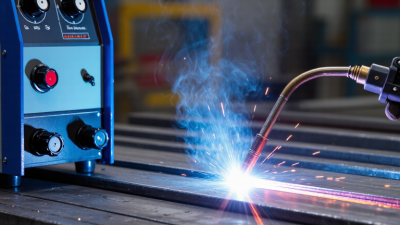
What Is a MIG Welding Machine and How Does It Work?
A MIG Welding Machine uses a continuously fed wire electrode, shielding gas, and an electric arc to join metal. The process is also called gas metal arc welding, or GMAW. When the trigger is pressed, the wire moves through the gun, melts, and forms a weld pool. Shielding gas protects that pool from oxygen and nitrogen. The result can look like a narrow, bright bead across steel, aluminum, or stainless steel.
The American Welding Society identifies GMAW as one of the most widely used arc-welding processes in manufacturing, repair, and fabrication. Grand View Research valued the global welding equipment market at approximately $16.9 billion in 2023, with continued growth expected through 2030. However, that figure covers several welding technologies, not only MIG equipment. This distinction matters. Market numbers can sound precise while hiding important differences.
Welding engineer John C. Lippold describes GMAW as “an arc welding process using a continuously fed wire electrode.” That definition explains the machine’s central advantage: steady wire delivery can improve production speed and reduce frequent electrode changes. In practical work, operators still need to control voltage, wire-feed speed, gas flow, torch angle, and travel speed. Small mistakes create spatter, porosity, or weak fusion.
It is not automatic perfection.
This guide will explain what a MIG Welding Machine contains, how the arc forms, and why settings change between materials and thicknesses. It will also examine machine types, shielding gases, safety practices, and common troubleshooting steps. Real workshop conditions are less predictable than product brochures suggest. Good results require knowledge, inspection, and repeated adjustment.
Read more »
By:Evelyn
- September 16, 2026
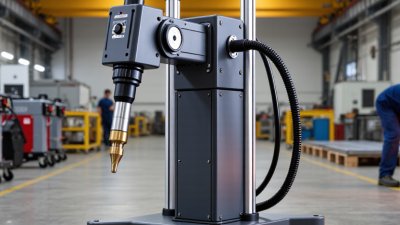
China Top 10 Single Holder Welding Machine Manufacturers
China’s Single Holder Welding Machine market has changed quickly. Manufacturers now compete through arc stability, operator comfort, control accuracy, and after-sales support. A strong machine is not defined by appearance alone. Its performance appears in the weld bead, duty cycle, electrode handling, and service response.
Dr. John C. Lippold, a recognized welding metallurgy expert, has often stressed the importance of process control: “Welding is a process, not a product.” That principle guides this review of China’s top ten manufacturers. Each company should be assessed through practical evidence, including factory experience, production capacity, quality systems, export records, and technical documentation. Buyers should also examine real operating details. Can the holder remain stable during continuous work? Does the cable resist heat and repeated bending? Are replacement parts available in the buyer’s region?
Small details matter.
This ranking is not an absolute verdict. Supplier strengths vary by application, material, voltage requirement, and order size. Some manufacturers offer impressive prices but limited technical guidance. Others provide stronger engineering support with higher initial costs. That difference deserves attention. Product photographs and online claims cannot replace sample testing, inspection reports, and direct communication with engineers.
The following guide introduces ten notable Chinese manufacturers and explains where each Single Holder Welding Machine supplier may fit. It considers both measurable strengths and practical limitations. Readers should verify current certifications, specifications, warranties, and delivery terms before making a purchasing decision. Mistakes can happen, even in a careful comparison. The goal is a clearer, more reliable starting point for professional buyers.
Read more »
By:Evelyn
- September 16, 2026
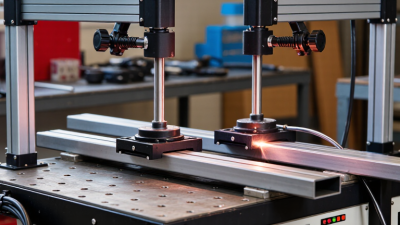
What Is the Best Double Holder Welding Machine?
Choosing the best Double Holder Welding Machine depends on more than price, brand, or advertised power. In a busy workshop, the right machine should hold two workpieces firmly, maintain stable alignment, and support consistent weld quality. Operators notice small details quickly. A loose holder can create uneven gaps, awkward positioning, and unnecessary rework.
This guide examines practical features that influence daily performance. We consider holder strength, adjustment range, welding compatibility, operating comfort, maintenance access, and safety-focused design. We also look at how the machine performs during repeated use, not only during a short product demonstration. A sturdy frame may reduce vibration, while clearly marked controls can help prevent setting mistakes. Cable routing matters too. Poor routing often becomes irritating after several hours.
There is no perfect choice.
The best Double Holder Welding Machine for a small fabrication shop may not suit a high-volume production line. Material thickness, workspace limits, operator experience, and expected workload all change the decision. Buyers should verify technical specifications with the manufacturer and inspect service support before purchasing. Reviews can provide useful experience, but they may reflect different working conditions.
Some recommendations may seem obvious, yet real workshops are rarely ideal. Dust accumulates, hands become tired, and adjustments are sometimes rushed. A reliable machine should remain manageable under those ordinary pressures. This overview aims to balance professional standards with practical judgment, helping readers compare options honestly and select equipment that fits their actual welding environment.
Read more »
By:Oliver
- September 16, 2026