
Uttam Industries — Welding & Metal Cutting Machine Manufacturer since 1965 Mandi Dabwali, Haryana & Delhi, India  |  Export enquiries welcome worldwide
Technical Articles & Insights

Welding & Metal Cutting Knowledge Hub

Explore technical guides, machine selection advice, and industrial fabrication insights backed by 60 years of engineering experience.

Engineering Guides · Case Studies · Technology
0%

Choosing a reliable Stud Welding Machine manufacturer requires more than comparing advertised power ratings. Weld quality depends on machine stability, stud diameter range, duty cycle, control accuracy, and after-sales support. A compact unit may suit repair work, while heavy fabrication demands stronger current output and cooling capacity.

This guide introduces China’s top 10 stud welding machine manufacturers through practical industry criteria. The comparison considers product experience, manufacturing capability, certification practices, export performance, and technical service. It also looks at details that operators notice daily, such as trigger response, cable flexibility, gun balance, and arc consistency on steel surfaces.

Real workshop conditions matter.

A machine should perform steadily beside a noisy production line, not only in a showroom demonstration. Manufacturers with strong engineering teams usually provide clearer welding parameters, replacement parts, training materials, and troubleshooting guidance. These factors can reduce downtime when a control board fails or a weld becomes inconsistent during a long shift.

However, no ranking fits every buyer. Some manufacturers publish limited technical data, while distributor claims may not fully reflect factory performance. This article therefore treats the top 10 as a practical starting point, not an absolute judgment. Buyers should verify samples, inspect factory quality controls, confirm service response times, and request test results for their specific materials. Stainless steel, mild steel, and aluminum may require different settings. Small oversights can become expensive.

The strongest supplier is not always the largest. It is the one that matches your application, budget, production volume, and long-term support expectations.
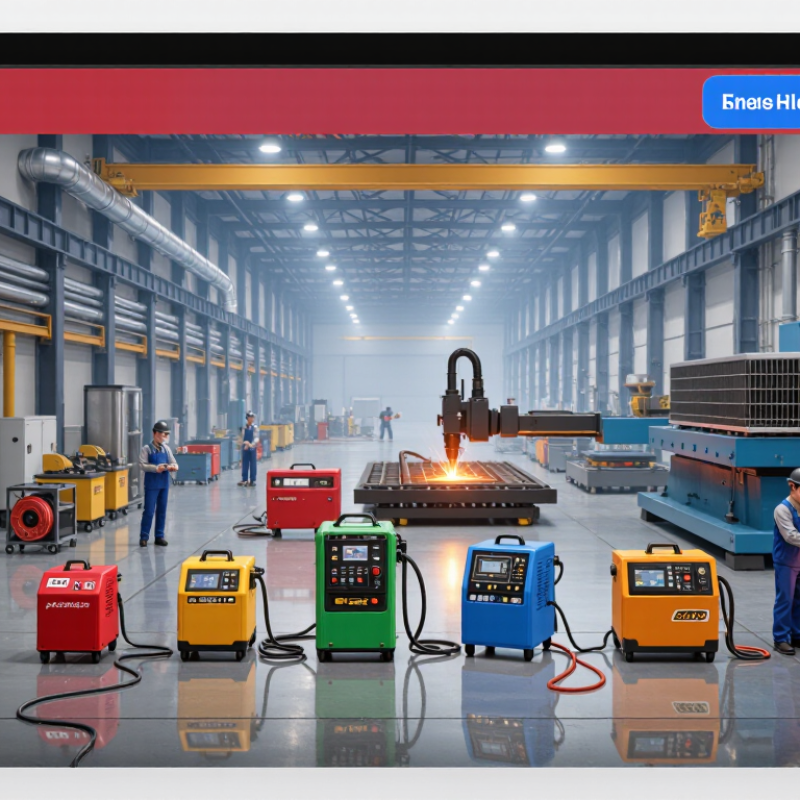
China Top 10 Stud Welding Machine Manufacturers?

What Is a Stud Welding Machine and How Does It Work?

A stud welding machine joins a metal stud to a workpiece without drilling a hole or adding a separate nut.

It uses controlled electrical energy to create a short arc between the stud and the base metal. The arc melts both contact surfaces. The machine then presses the stud into the molten pool, forming a strong fusion joint within milliseconds.

Most systems use capacitor discharge or drawn arc technology. Capacitor discharge suits thin sheet metal because it limits heat and reduces visible distortion. Drawn arc welding delivers deeper penetration for thicker steel, stainless steel, and demanding structural work.

A typical setup includes a power source, welding gun, ground cable, collet, and ceramic ferrule. The ferrule contains the arc and helps shape the weld.

Good results depend on more than rated power. Surface oil, rust, paint, and poor grounding can create weak joints.

The operator should clean the panel, hold the gun squarely, and check the weld collar around the stud. Small details matter. I have seen machines with impressive specifications perform poorly because the workpiece preparation was ignored.

When evaluating China’s top ten stud welding machine manufacturers, buyers should examine output stability, stud diameter range, duty cycle, spare-part access, and operator training.

Factory testing records and traceable quality checks also deserve attention. A lower price may look attractive, but inconsistent current can waste studs and damage thin panels.

The machine is simple to operate, not simple to judge.

How to Evaluate China’s Stud Welding Machine Manufacturers

Choosing among China’s top stud welding machine manufacturers requires more than comparing online prices. Start with the manufacturer’s production experience. Ask how long the factory has built stud welding equipment and which materials it regularly handles. A reliable supplier should explain welding current, duty cycle, gun design, and control accuracy in clear language. Vague answers deserve caution.

Request detailed technical documents, including circuit diagrams, test records, operating limits, and maintenance instructions. Check whether each machine has been tested under realistic conditions, not only in a clean showroom. Review welding samples on your own stud and base metal. Observe arc stability, weld formation, cable heating, and operating noise. Small defects often appear after repeated cycles. They matter.

Factory verification adds useful evidence. Inspect calibration methods, component traceability, assembly procedures, and final inspection records. Ask for references from users with similar production volumes. Their feedback may reveal response times, spare-part availability, and actual training quality. Confirm compliance with applicable electrical and workplace safety requirements for your market. Independent inspections can reduce uncertainty, although they cannot replace technical judgment.

Cost should include shipping, consumables, replacement parts, training, and downtime. A lower quotation may hide expensive interruptions. No checklist is perfect. I would also record every promise in the contract, because informal assurances can disappear later. Test the supplier’s communication before ordering: send technical questions, request revisions, and measure the clarity of each response. Patient, precise communication usually indicates stronger after-sales discipline. Mistakes still happen, but responsible manufacturers explain them and correct them quickly.

How to Evaluate China’s Stud Welding Machine Manufacturers

This evaluation framework uses practical purchasing criteria for stud welding equipment. The percentages represent recommended decision weights rather than company rankings, helping buyers compare manufacturers without relying on brand names.

Welding performance, safety compliance, and long-term reliability receive the highest priority because they directly affect weld quality, operator protection, production continuity, and total ownership cost.

Profiles of China’s Top 10 Stud Welding Machine Manufacturers

China’s leading stud welding machine manufacturers differ in scale, engineering focus, and export experience. One specializes in compact capacitor-discharge units for thin sheet work. Another develops high-current systems for structural steel fabrication. A third focuses on automatic welding heads and production-line integration. These profiles show why “top” should reflect application, not only sales volume.

Several manufacturers build inverter-based machines with adjustable current and welding time. Their equipment often serves shipyards, rail projects, and metal enclosures. One supplier emphasizes portable machines, weighing about 15 kilograms, for installation teams. Another provides drawn-arc systems with water-cooled torches for repeated heavy-duty cycles. A factory with strong machining capacity may produce threaded studs, collets, and cables in-house. That can simplify maintenance. It can also create a narrow product range.

Other established manufacturers concentrate on quality control and overseas technical support. They may test insulation, grounding, current stability, and thermal protection before shipment. Some offer PLC communication for automated lines, while others keep controls simple for field technicians. A few provide customized fixtures for stainless steel, mild steel, or galvanized surfaces. Performance still depends on surface preparation, stud material, and operator training. This is often underestimated.

From an engineering viewpoint, buyers should request duty-cycle data, welding current curves, spare-part lead times, and sample weld tests. Factory photographs are useful, but traceable test records are stronger evidence. Even reliable suppliers may have weaknesses, such as limited documentation or slow software updates. That deserves honest attention.

Comparison of Products, Technologies, and Production Capabilities

China’s top ten stud welding machine manufacturers should be compared through measurable capabilities, not catalog claims.

Product reviews should examine capacitor-discharge, drawn-arc, and short-cycle systems separately. Each process suits different stud diameters, plate thicknesses, and surface conditions.

ISO 14555 provides useful guidance for stud welding quality and procedure control.

Production capability matters just as much. The International Federation of Robotics reported 276,288 industrial robot installations in China during 2023, representing about 51% of global installations. This automation supports repeatable welding, cabinet assembly, and inspection.

However, robotics alone does not prove machine quality. Buyers should check transformer capacity, cooling design, duty cycle, spare-part availability, and operator training. Small details matter.

Technology comparisons should include digital current control, waveform stability, automatic compensation, and weld-result records.

According to the International Energy Agency, China remains the world’s largest manufacturing electricity consumer, making energy efficiency increasingly relevant for factories. A machine with lower idle consumption can reduce operating costs, though advertised savings need independent testing. That metric can mislead.

Field experience also reveals practical differences. A reliable unit starts cleanly after long storage, maintains arc length, and handles uneven steel without excessive rework.

Production audits should measure cycle time, first-pass yield, fault frequency, and service response.

Some comparisons still overvalue maximum welding current. That is an imperfect shortcut.

A balanced evaluation combines laboratory data, factory capacity, documented quality systems, and verified customer performance.

How to Choose the Right Chinese Stud Welding Machine Supplier

China Top 10 Stud Welding Machine Manufacturers?

Choosing the right Chinese stud welding machine supplier requires more than comparing online prices. Check whether the factory builds machines in-house or only resells imported units. Ask for production photos, inspection records, and a live welding demonstration. A serious supplier should explain power requirements, welding diameter, duty cycle, and compatible stud materials clearly. Vague answers are warning signs.

Request test samples using your actual studs and base metal. Observe arc stability, weld appearance, cable heating, and operator controls. A clean weld should have consistent fusion around the stud, not scattered burn marks. Review electrical safety documents, calibration procedures, and export packaging details. Confirm whether replacement capacitors, cables, and control boards remain available after delivery. Small parts can stop a production line.

Supplier evaluation also needs human judgment. A polished catalog can hide weak technical support. Speak with an engineer, not only a sales representative. Ask how faults are diagnosed remotely and how quickly spare parts ship. Factory audits are useful, but one short visit cannot prove everything. I would record serial numbers, inspection results, and agreed specifications before payment. Some buyers focus too heavily on the lowest quotation; that choice may create higher downtime costs later. Communication quality matters, even when the machine looks impressive.

FAQS

What should I check before choosing a Chinese stud welding machine manufacturer?

Check factory experience, in-house production, welding materials, and machine testing history. Ask for clear answers about current, duty cycle, gun design, and control accuracy. Vague replies deserve caution.

Which technical documents should a supplier provide?

Request circuit diagrams, test records, operating limits, calibration details, and maintenance instructions. Also request electrical safety documents and packaging specifications. Missing documents may create trouble later.

How can I test a machine properly?

Use your actual studs and base metal during testing. Observe arc stability, weld formation, cable heating, noise, and control response. Repeat several cycles. Small defects often appear later.

Which welding technologies should buyers compare?

Compare capacitor-discharge, drawn-arc, and short-cycle systems separately. Each process suits different stud sizes, plate thicknesses, and surface conditions. Maximum current alone is an imperfect shortcut.

How can I judge production capability?

Inspect assembly procedures, transformer capacity, cooling design, component traceability, and final inspection records. Ask whether the factory builds machines or resells them. Automation helps, but it does not prove quality.

What performance measurements matter during production trials?

Measure cycle time, first-pass yield, fault frequency, cable temperature, and service response. Check whether the machine starts cleanly after storage. Uneven steel should not cause excessive rework.

How should after-sales support be evaluated?

Speak with an engineer, not only a salesperson. Ask how faults are diagnosed remotely and how quickly spare parts can ship. Confirm supplies of capacitors, cables, and control boards. Small parts can stop production.

What costs should be included beyond the purchase price?

Include shipping, consumables, replacement parts, training, energy use, and possible downtime. A lower quotation may hide expensive interruptions. I would record every promise in the contract. Informal assurances can disappear.

Are factory audits enough to confirm supplier quality?

No checklist is perfect. A factory visit can reveal calibration methods and inspection habits, but one visit proves little. Combine audits, sample tests, customer references, and documented specifications.

How can communication reveal supplier reliability?

Send detailed technical questions and request revisions before ordering. Measure response clarity, patience, and accuracy. Mistakes still happen. Responsible suppliers explain them and correct them quickly.

Conclusion

This article provides a practical overview of the Stud Welding Machine, explaining how it creates a fast, reliable connection between metal studs and workpieces through controlled electrical energy and pressure. It introduces the main machine types, operating principles, key components, and common application factors. The article also presents a structured method for evaluating Chinese manufacturers, focusing on product quality, welding performance, manufacturing capabilities, technical expertise, testing procedures, customization options, certifications, delivery reliability, and after-sales support.

A comparison of products, technologies, and production capacities helps buyers understand the differences between suppliers and identify solutions suited to their materials, production volume, and working environment. The final section offers guidance on selecting the right Chinese Stud Welding Machine supplier by assessing specifications, project requirements, quality control systems, communication efficiency, warranty terms, spare-parts availability, and long-term service capabilities.

Ethan

Ethan

Ethan is a professional marketing specialist dedicated to helping businesses understand products, industries, and customer needs through clear, practical, and insight-driven communication. With extensive knowledge of the company’s product portfolio, he regularly contributes expert articles to the......