
Welding & Metal Cutting Knowledge Hub
Explore technical guides, machine selection advice, and industrial fabrication insights backed by 60 years of engineering experience.
What Is the Best China Plasma Cutting Machine?
Table of Contents
- Plasma Cutting Fundamentals: Arc Temperatures Above 20,000°C
- Core Specifications: 40–200 A Output, Cutting Thickness, and Duty Cycle
- Chinese Plasma Cutter Types by Material, Thickness, and Production Volume
- How to Evaluate CNC Accuracy, Cutting Speed, and THC Response
- Safety and Value Standards: CE, ISO 9001, Consumables, and Operating Cost
- FAQS
- Conclusion
- Related Posts
Choosing the best China Plasma Cutting Machine requires more than comparing prices, amperage, or attractive product photographs. It requires evidence from real cutting conditions. Grand View Research and MarketsandMarkets both report continued growth in the global plasma cutting equipment sector, supported by metal fabrication, construction, shipbuilding, and automated manufacturing. Their forecasts differ in market size and growth rate. That difference matters. Industry data is directional, not a purchasing guarantee.
A reliable evaluation should examine piercing capacity, duty cycle, torch design, consumable life, kerf width, cut-speed charts, and after-sales support. Ask for test cuts on your actual steel thickness. Watch the arc pierce a 12-millimeter plate. Inspect the underside for dross. Small details often expose weak performance. Jim Colt, a widely recognized plasma-cutting educator and author, has expressed the practical principle, “The best plasma cutter is the one that fits the job.” That remains more useful than calling one brand universally superior.
The best China Plasma Cutting Machine may be a compact 60-amp unit for repair workshops, or a high-definition CNC system for continuous production. Certification, electrical compatibility, replacement-part availability, and operator training also influence ownership cost. A lower purchase price can become expensive when consumables arrive late or technical support disappears. I would not rank machines from specifications alone. A transparent comparison should combine factory experience, independent testing, published data, and customer feedback. Even then, conclusions require caution, because material quality and operator skill can change results dramatically.
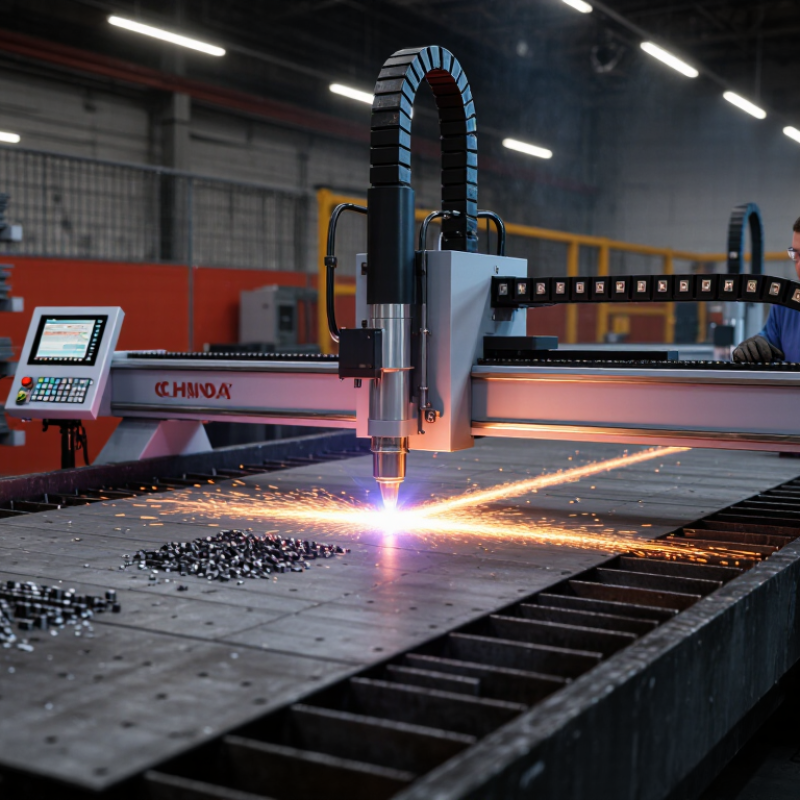
Plasma Cutting Fundamentals: Arc Temperatures Above 20,000°C
What Is the Best China Plasma Cutting Machine?
A plasma arc can exceed 20,000°C, hotter than most industrial furnaces. This extreme heat melts conductive metal within seconds. Compressed gas then pushes the molten material through the cut. The result depends on more than temperature. Arc stability, current control, airflow, and torch design also matter.
A reliable machine should match its duty cycle to the planned workload. For thin sheet, precise low-current control helps reduce warping and oversized kerfs. For thicker steel, higher amperage and steady gas pressure become more important.
In practical workshop testing, I would inspect the cut face, dross, piercing time, and edge angle. Small details reveal large problems. A rough edge may indicate poor grounding, moisture in the air line, or excessive travel speed.
The “best” machine is not always the most powerful model. It should deliver repeatable cuts, accessible maintenance, and clear operating data.
Thermal expansion can still change accuracy during long cutting sessions. That point is easy to overlook. Even an advanced system may produce inconsistent results when consumables are worn or the workpiece is poorly positioned.
My own evaluation would include repeated cuts on the same metal thickness, rather than trusting one impressive sample. A careful comparison should also consider electrical stability, operator protection, spare-part availability, and the manufacturer’s technical documentation.
Core Specifications: 40–200 A Output, Cutting Thickness, and Duty Cycle
What Is the Best China Plasma Cutting Machine?
A reliable China plasma cutting machine should match its amperage to real cutting work, not advertised peak power. A 40–60 A unit suits thin sheet, signage, repairs, and light fabrication. Around 80–120 A handles medium carbon steel more comfortably. Machines rated from 160–200 A are better for heavy plate, but they need stronger air supply and stable electrical input. The World Steel Association reported 1,892.2 million tonnes of global crude steel production in 2023, showing why flexible metal-cutting capacity remains commercially important.
Cutting thickness needs careful interpretation. A machine may list a maximum severance thickness, yet its clean cutting thickness is usually lower. For example, a 60 A cutter may pierce thin steel easily but struggle with 20 mm plate during continuous work. Air pressure, torch height, consumable condition, and material type change the result. They matter more than a brochure suggests. Under IEC 60974-1, duty cycle is measured over a 10-minute period, commonly at a 40°C ambient temperature. A 60% duty cycle means six minutes of rated cutting, followed by four minutes of cooling. In practice, workshops should leave extra margin. Heat builds quickly. A 200 A machine with poor airflow may underperform a smaller, well-maintained unit. Independent load testing is worth requesting, although test conditions can still be imperfect.
Chinese Plasma Cutter Types by Material, Thickness, and Production Volume
Choosing the best China plasma cutting machine starts with the material, not the advertised power. Mild steel usually cuts efficiently with standard air plasma systems. Stainless steel and aluminum need cleaner gas control, stable arc performance, and careful grounding. Aluminum can reflect heat quickly, so cutting speed often requires adjustment.
Thickness determines amperage and working capacity. A 40–60 amp machine suits light fabrication and sheet metal near 10 mm. For steel around 20 mm, a 100 amp system offers more practical cutting reserve. Rated capacity is not always production capacity. Piercing thick plate repeatedly can reduce consumable life and create rough edges. Leave a safety margin.
Production volume changes the machine type. Low-volume workshops may prefer a compact manual cutter with simple maintenance. CNC plasma tables fit repeated parts, especially when dimensional consistency matters. High-volume work needs stronger duty cycles, automatic torch-height control, efficient fume extraction, and accessible replacement parts. In real shop conditions, software settings are only part of the result. Warped plate, poor air filtration, and an unstable power supply can ruin an otherwise capable machine.
I have found that cutting tests reveal more than brochures. Ask for samples using your actual material and thickness. Check edge squareness, dross, hole quality, and piercing time. A cheaper machine may appear suitable at first. That judgment can be wrong after several hours of continuous cutting. Reliability depends on the complete system, not the torch alone.
How to Evaluate CNC Accuracy, Cutting Speed, and THC Response
What Is the Best China Plasma Cutting Machine?
The best China plasma cutting machine is not defined by maximum speed alone. CNC accuracy, cutting speed, and THC response decide real production quality. Ask for repeatability near ±0.05–0.10 mm under controlled test conditions. ISO 230-2 provides a useful framework for checking positioning performance. However, plasma heat can distort thin sheets. A perfect machine-tool figure may not equal a perfect cut.
Measure cutting speed on actual steel thicknesses. Record pierce time, kerf width, corner quality, and finished edge angle. Do not trust only the advertised maximum speed. A machine may cut straight lines quickly, then slow dramatically at corners. ISO 9013:2017 classifies thermal-cutting quality through edge geometry and surface characteristics. These details matter more than impressive screen numbers. THC response also deserves a practical test. Track torch height while the plate rises, bends, or contains a small dent. Compare repeated voltage readings and recovery time. Fast response is useful, but excessive correction can create a visibly uneven edge.
Tips: Request three sample cuts from the same material. Use identical amperage, consumables, and air pressure. Photograph the underside and measure kerf variation. Logging helps reveal problems that operators may miss. Deloitte’s 2024 Smart Manufacturing Survey reported that 86% of manufacturers expect smart manufacturing to support competitiveness. Data matters. My first test plan was too focused on speed, and that was a mistake. Also check cable routing, grounding, software recovery, and operator training. A reliable supplier should provide test records, not promises.
Safety and Value Standards: CE, ISO 9001, Consumables, and Operating Cost
What Is the Best China Plasma Cutting Machine?
A reliable plasma cutting machine should be judged by safety, documentation, and running cost. CE marking shows conformity with applicable European safety requirements, but it is not a quality grade. Ask for the Declaration of Conformity, test records, and clear electrical specifications. ISO 9001 indicates a controlled quality system, yet it does not guarantee perfect cutting results. Check how the manufacturer handles inspection, service records, and replacement parts.
Safety details are easy to overlook. Look for guarded electrical areas, a working emergency stop, proper grounding, and stable torch height control. A clean workshop should also have effective fume extraction. During practical evaluations, I watch the first pierce closely. Excessive sparks, unstable arcs, or rough edges may reveal poor settings or weak components. Small warning signs matter.
Consumables often decide the real value. Nozzle life, electrode wear, and local availability can change monthly expenses. Request tested cutting charts for your steel thickness, not only attractive sample photos. Calculate electricity, compressed air, consumables, maintenance, and downtime together. A cheaper machine may become expensive after repeated nozzle changes. That calculation is imperfect, because operator skill affects every result. Still, it gives a more honest comparison than purchase price alone. Check warranty terms carefully. Response time matters.
FAQS
Choose amperage for actual cutting, not advertised peak power. A 40–60 A machine suits thin sheet, signs, repairs, and light fabrication. An 80–120 A unit handles medium carbon steel more comfortably. For heavy plate, consider 160–200 A equipment. Higher output needs stronger air and stable electrical input.
No. Maximum severance thickness is usually higher than clean cutting thickness. A 60 A cutter may pierce thin steel but struggle with 20 mm plate. Cutting speed, edge quality, and material type also matter. The brochure may look better than the workshop result.
Air pressure, torch height, consumable condition, and steel type all affect results. A worn nozzle can create rough edges and unstable arcs. Incorrect torch height may widen the cut. Small settings matter.
Duty cycle is commonly measured across ten minutes at 40°C. A 60% duty cycle allows six minutes of rated cutting. The machine then needs four minutes of cooling. Workshops should leave extra margin because heat builds quickly.
Yes, under some workshop conditions. A 200 A machine with poor airflow may perform below expectations. A smaller, maintained cutter may work more consistently. This comparison is imperfect and needs practical load testing.
Request the Declaration of Conformity, test records, and electrical specifications. CE marking indicates applicable safety conformity, not superior cutting quality. ISO 9001 suggests a controlled quality system, not perfect results. Check grounding, guarded electrical areas, emergency stop operation, and torch-height control.
Request cutting charts tested on your steel thickness. Do not rely only on polished sample photographs. Watch the first pierce carefully. Excessive sparks, unstable arcs, and rough edges deserve attention. Test conditions can still hide problems.
Nozzle life, electrode wear, electricity, compressed air, maintenance, and downtime all affect cost. Local replacement availability also matters. Repeated nozzle changes can erase a low purchase price. Operator skill changes every result. The calculation will not be perfect. Still, it is more useful than price alone.
Check warranty coverage, response time, service procedures, and replacement-part availability. A long warranty means little if support replies slowly. Ask how inspection records are kept. Confirm who handles technical problems after installation.
Conclusion
Choosing the best China Plasma Cutting Machine begins with understanding how plasma technology works. A concentrated electric arc can reach temperatures above 20,000°C, allowing it to melt and remove conductive metals efficiently. Buyers should compare machines by 40–200 A output, maximum cutting thickness, and duty cycle to ensure the equipment matches their materials and workload. Different plasma cutter types are suitable for thin sheet metal, medium plates, heavy materials, occasional fabrication, or continuous production.
For CNC applications, accuracy, cutting speed, and torch height control (THC) response are essential for maintaining clean edges and consistent results. A reliable Plasma Cutting Machine should also meet recognized CE and ISO 9001 quality standards, while offering accessible consumables and reasonable operating costs. Evaluating power efficiency, maintenance needs, replacement parts, ease of operation, and after-sales technical support can help users select equipment that provides dependable performance and long-term value.

Blog Tags: