
Welding & Metal Cutting Knowledge Hub
Explore technical guides, machine selection advice, and industrial fabrication insights backed by 60 years of engineering experience.
What Is the Best Double Holder Welding Machine?
Table of Contents
- What Is a Double Holder Welding Machine?
- How Does a Double Holder Welding Machine Work?
- Which Features Define the Best Double Holder Welding Machine?
- How to Compare Double Holder Welding Machine Performance and Safety?
- How to Choose the Right Double Holder Welding Machine for Your Needs?
- FAQS
- Conclusion
- Related Posts
Choosing the best Double Holder Welding Machine depends on more than price, brand, or advertised power. In a busy workshop, the right machine should hold two workpieces firmly, maintain stable alignment, and support consistent weld quality. Operators notice small details quickly. A loose holder can create uneven gaps, awkward positioning, and unnecessary rework.
This guide examines practical features that influence daily performance. We consider holder strength, adjustment range, welding compatibility, operating comfort, maintenance access, and safety-focused design. We also look at how the machine performs during repeated use, not only during a short product demonstration. A sturdy frame may reduce vibration, while clearly marked controls can help prevent setting mistakes. Cable routing matters too. Poor routing often becomes irritating after several hours.
There is no perfect choice.
The best Double Holder Welding Machine for a small fabrication shop may not suit a high-volume production line. Material thickness, workspace limits, operator experience, and expected workload all change the decision. Buyers should verify technical specifications with the manufacturer and inspect service support before purchasing. Reviews can provide useful experience, but they may reflect different working conditions.
Some recommendations may seem obvious, yet real workshops are rarely ideal. Dust accumulates, hands become tired, and adjustments are sometimes rushed. A reliable machine should remain manageable under those ordinary pressures. This overview aims to balance professional standards with practical judgment, helping readers compare options honestly and select equipment that fits their actual welding environment.
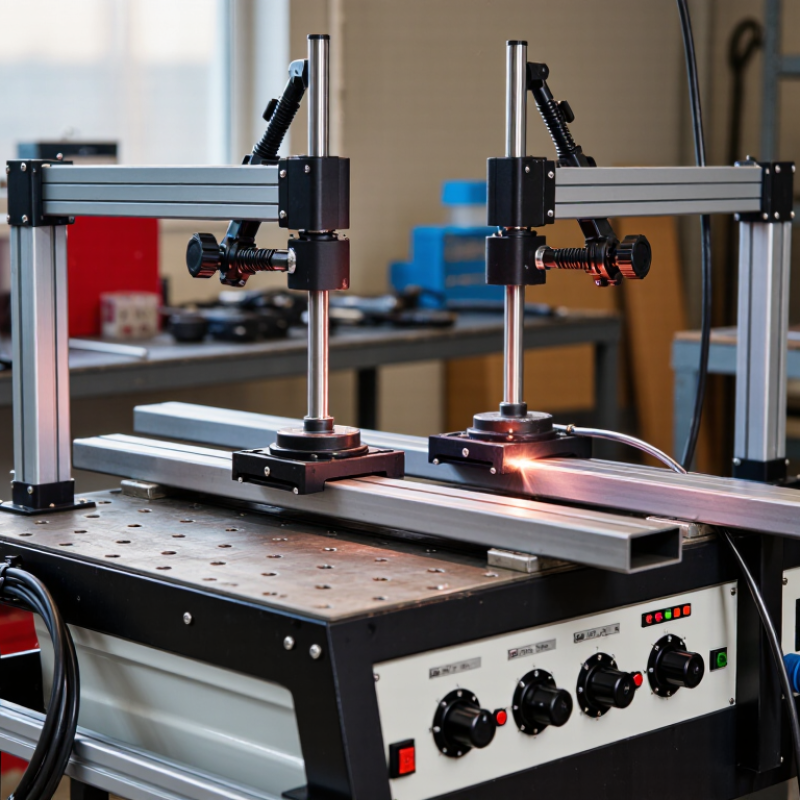
What Is a Double Holder Welding Machine?
What Is the Best Double Holder Welding Machine?
A double holder welding machine is designed to connect two electrode holders to one power source. It may support two welders, two work areas, or faster electrode changes during fabrication. However, the holders do not always work independently. Some machines divide the available current, while others provide separate controls and stronger output management.
In my workshop experience, this difference matters more than the number of sockets. A machine with independent current adjustment gives better control over thin and thick steel. Stable arc performance, duty cycle, cable quality, and overload protection also deserve attention. A 250-amp rating can sound impressive, but real performance depends on the input supply and cooling system. The best choice matches your daily workload, not just the largest number on the label. I have sometimes focused too much on output and overlooked operator comfort.
Tips: Check whether both holders can run simultaneously. Confirm the rated duty cycle at your required amperage. Inspect the cable length, connector fit, cooling vents, and grounding clamp before purchase. Keep the work area dry and well ventilated. Use a suitable helmet, gloves, protective clothing, and eye protection. A crowded bench can turn a useful dual-holder setup into a tripping hazard. Read the machine manual and follow applicable welding standards. Safety should not depend on experience alone.
What Is the Best Double Holder Welding Machine?
A double holder welding machine allows two electrode holders to remain connected for faster switching between electrodes. The most suitable machine should provide enough current for the electrode diameters you use, while also offering an adequate duty cycle and stable arc performance.
The chart shows typical midpoint welding currents for common shielded metal arc welding electrodes. Actual settings vary with electrode type, material thickness, welding position, and manufacturer recommendations. A double holder improves workflow, but it does not double the machine's welding output.
How Does a Double Holder Welding Machine Work?
What Is the Best Double Holder Welding Machine?
How Does a Double Holder Welding Machine Work?
A double holder welding machine uses one power source with two electrode holders. Each holder connects through its own welding cable. The machine sends current to the selected holder, while the work clamp completes the circuit through the metal. One arc starts when the electrode touches the grounded workpiece and lifts slightly.
One arc at a time. A selector switch, terminal arrangement, or internal control determines which holder receives power. This setup lets a welder keep two electrode types ready, such as different diameters or materials. Switching holders can reduce pauses during fabrication. It may also help when a joint needs different welding settings.
The machine’s rated output, duty cycle, cable size, and electrode range deserve careful attention. A high current setting can heat cables quickly, especially during repeated welds. Experienced operators inspect the holder insulation, cable connections, and ground clamp before striking an arc. They also match the electrode to the base metal and joint design.
A common assumption is wrong. Two holders do not always mean two simultaneous arcs. Most compact machines support one active output unless their design specifically allows dual-arc operation. The manufacturer’s technical manual should confirm this point. In real workshops, poor cable routing can cause confusion, and I would not ignore that small detail. Keep unused holders insulated and placed on a dry, stable surface. Arc stability still depends on technique, contact quality, and consistent travel speed.
| Category | Selection Dimension | Typical Data or Operating Range | Recommended Choice for Most Users | How It Works |
|---|---|---|---|---|
| Core Design | Number of electrode holders | Two independent holders connected to one welding power source or to two separately controlled outputs. | Select independently insulated holders with clear output identification and secure cable connections. | The operator changes between electrodes without repeatedly disconnecting the welding cables. |
| Output Configuration | Single-output, dual-terminal design | One active welding circuit at a time; the second holder is normally used as a standby connection. | Suitable for workshops that use different electrode diameters or electrode coatings during the same job. | A selector, switching arrangement, or manual cable choice directs current to the selected holder. |
| Output Configuration | Two independently controlled outputs | Two welding circuits may operate separately when the power source is specifically rated for simultaneous use. | Choose this configuration only when two operators or two active welding processes are required. | Each output regulates welding current through its own cable, holder, and return path. |
| Welding Process | Manual metal arc welding capability | Commonly used for shielded metal arc welding with coated consumable electrodes. | Use a machine whose output characteristics match the intended electrode classification and diameter. | An electric arc melts the electrode and base metal; the coating forms shielding gas and slag. |
| Current Range | Adjustable welding current | Approximately 20–200 A for compact units and about 30–300 A for heavier workshop machines. | A 20–200 A range covers many maintenance and light-fabrication applications. | Current controls heat input, penetration, arc behavior, and the practical electrode diameter. |
| Electrode Compatibility | Electrode diameter | Approximately 1.6–5.0 mm, depending on output capacity, electrode type, and material thickness. | For general work, support for 2.5 mm and 3.2 mm electrodes is usually the most versatile. | Larger electrodes require higher current and place greater thermal demand on the power source. |
| Power Supply | Input voltage and phase | Single-phase 120 V, 230 V, or three-phase industrial supplies are common, depending on machine size. | Match the rated input to the available circuit and verify breaker, cable, and grounding requirements. | The power section converts input electricity into a controlled low-voltage, high-current welding output. |
| Thermal Performance | Duty cycle | Common ratings include 20%, 40%, 60%, or 100% at a specified current and ambient temperature. | Choose at least a 60% duty cycle for regular workshop use and continuous production work. | The duty cycle indicates how long the machine can weld within a standard ten-minute period before cooling. |
| Arc Control | Hot start and arc-force control | Hot start temporarily increases current during ignition; arc force adds current when the arc becomes short. | These functions improve starting reliability and reduce electrode sticking during manual welding. | Electronic control responds to arc voltage and current changes to stabilize the welding arc. |
| Holder System | Holder rating and cable size | Holders are commonly rated around 200–300 A; welding cables often range from approximately 16–50 mm². | Select holder and cable ratings equal to or greater than the machine's maximum output. | The holder grips the electrode while the cable carries current from the output terminal to the arc. |
| Workpiece Circuit | Return clamp and cable connection | A properly sized work clamp connects the workpiece to the negative or positive return terminal as required. | Use a clean, tight clamp connection close to the weld area to minimize resistance and voltage drop. | The current travels through the electrode and arc into the workpiece, then returns through the clamp. |
| Safety | Electrical and thermal protection | Useful features include over-temperature protection, over-current protection, insulated holders, and cooling fans. | Prioritize thermal shutdown, correctly rated insulation, secure terminals, and compliance with applicable standards. | Sensors or protective circuits disconnect or limit output when temperature or electrical load becomes unsafe. |
| Portability | Weight and construction | Compact inverter units may weigh approximately 5–15 kg; transformer-based workshop units are often heavier. | Choose an inverter design for frequent transport and a heavier chassis for fixed workshop operation. | High-frequency electronic conversion allows a smaller transformer and lighter overall construction. |
| Best Overall Choice | Balanced specification | Dual-holder arrangement, 20–200 A output, support for 1.6–3.2 mm electrodes, 60% duty cycle, and thermal protection. | Best for general maintenance and fabrication: a dual-holder inverter machine with independently insulated connections and clear output selection. | It combines flexible electrode selection with stable current regulation and practical thermal management. |
Which Features Define the Best Double Holder Welding Machine?
The best double holder welding machine is defined by control, stability, and practical workshop design.
Two holders should operate smoothly without noticeable power loss. Independent current adjustment is valuable when welders handle different metals or electrode sizes. A clear control panel also reduces setup mistakes.
Keep it simple.
A useful workshop test checks the arc after several minutes of continuous welding. The machine should maintain a steady arc without excessive heat, vibration, or sudden output changes. A suitable duty cycle matters here, especially during repeated fabrication work.
Strong cables, secure holder connections, and strain relief improve daily reliability. Overload protection adds another layer of safety, but it should not replace proper ventilation and routine inspection.
The best models also support comfortable handling. Well-balanced holders reduce wrist fatigue, while long, flexible leads make awkward joints easier to reach. A stable frame and protected switches help the machine survive dust and movement.
In my view, buyers often focus too much on maximum current. That number can mislead. Real performance depends on thermal design, control accuracy, and consistent output.
I would compare test results under realistic loads, not only showroom specifications. One weakness remains: a machine with advanced controls may feel slower for beginners. Hands-on training is still necessary.
How to Compare Double Holder Welding Machine Performance and Safety?
Choosing the best double holder welding machine requires more than checking its maximum amperage. A practical comparison starts with arc stability, duty cycle, and control response. A steady arc produces cleaner beads and reduces electrode sticking. Test both holders separately, then operate them together under a realistic load.
Look closely at voltage drop along the cables. Long, undersized cables can weaken the arc and create excess heat. The machine should have clear overload protection, reliable cooling, and well-insulated holder connections. Check the grounding clamp, plug, and case for secure construction. Small faults matter.
Safety deserves equal attention. Confirm that the machine includes thermal shutdown and protection against abnormal current. Inspect ventilation openings before every use, especially in dusty workshops. Keep cables away from hot metal and standing water. Never judge safety from appearance alone. Ask for test records and operating instructions from a qualified supplier.
In practical comparisons, record bead width, penetration, arc noise, and temperature after repeated cycles. A machine that performs well for ten minutes may struggle during longer fabrication work. I once focused too heavily on output power and overlooked cable heating. That was a useful mistake. Operators should also compare handle comfort, switch placement, and visibility during adjustment. A slightly slower machine may be safer and easier to control. Review the results with an experienced welding professional before making the final choice.
How to Choose the Right Double Holder Welding Machine for Your Needs?
What Is the Best Double Holder Welding Machine?
Choosing the right double holder welding machine starts with your actual workload. In a busy workshop, two holders can reduce pauses between welds. However, higher capacity does not automatically mean better performance. Check the required welding current, duty cycle, and compatible electrode sizes. A machine rated for your usual materials should not operate continuously at its maximum output.
Think about control and handling. Independent output controls let two operators adjust their settings without interrupting each other. Clear meters are useful when lighting changes or gloves make small controls difficult. Examine the cable length, holder grip, connector design, and ventilation openings. These details become important during long fabrication jobs. I prefer machines with sturdy handles and simple controls because complicated panels slow routine work.
Safety and maintenance deserve equal attention. Look for overload protection, stable insulation, proper grounding, and documentation that matches applicable safety requirements. Keep the unit away from dust, moisture, and restricted airflow. Inspect cables before each shift. I once focused too heavily on maximum amperage and overlooked cable flexibility; the machine worked well, but positioning became tiring. That mistake changed how I compare equipment. Test welds on scrap steel can reveal unstable arcs, excessive heat, or awkward controls before production begins. A qualified technician should verify electrical installation when needed. Reliability is tested in ordinary details.
FAQS
Look for stable output, independent current controls, and a clear control panel. Both holders should work smoothly without noticeable power loss. Keep it simple.
Duty cycle shows how long the machine can weld before cooling. Test it after several continuous minutes. Excessive heat may reveal weak thermal design.
Not necessarily. Higher capacity does not guarantee equal performance. Check the required current, electrode sizes, and realistic operating limits.
Clear meters and simple controls reduce setup mistakes. Independent adjustments help two operators set different welding conditions. Complicated panels may slow beginners.
Choose strong cables, secure connections, flexible leads, and comfortable grips. Long leads help reach awkward joints. Poor flexibility can make positioning tiring.
Weld on scrap steel for several minutes. Watch for sudden output changes, vibration, excessive heat, or an unstable arc. Showroom numbers can mislead.
Use proper grounding, stable insulation, overload protection, and good ventilation. Keep the unit away from moisture, dust, and blocked airflow. Inspect cables before each shift.
No. Control accuracy, thermal design, and consistent output matter just as much. I once focused too much on amperage and overlooked cable flexibility. That comparison was incomplete.
Conclusion
A Double Holder Welding Machine is a welding system designed with two electrode holders, allowing operators to switch between welding tools or materials more efficiently. It typically combines a stable power source, adjustable current controls, secure cable connections, and durable holders to support consistent arc performance. Its working process involves converting electrical energy into a controlled welding arc, while the operator selects the appropriate holder and settings for the task. This design can improve workflow, reduce interruptions, and support different welding requirements in one work area.
The best Double Holder Welding Machine should provide reliable output, smooth current adjustment, strong insulation, effective cooling, and practical overload protection. When comparing models, users should evaluate welding performance, duty cycle, energy efficiency, holder quality, cable flexibility, grounding reliability, and built-in safety features. Choosing the right machine depends on material type, required welding current, work frequency, available power, portability, maintenance needs, and operator experience. A balanced choice should deliver dependable results while making everyday welding safer, more convenient, and easier to control.

Blog Tags: