
1. Engineering Overview: Defining High-Gain Steel Fabrication Welding Equipment
In modern industrial structural engineering, selecting the right Steel Fabrication Welding Machine is not merely a purchasing line-item; it is the single most critical factor dictating shop-floor yield, structural integrity under dynamic load, and overall total cost of ownership (TCO). Heavy steel fabrication—encompassing Pre-Engineered Buildings (PEB), structural steel girders, offshore oil platforms, pressure vessel shells, heavy crane booms, and bridge girders—demands welding power sources that deliver absolute voltage stability, robust thermal dissipation, and faultless duty cycles.
Commercial or light-duty welding machines frequently fail when subjected to the grueling demands of continuous structural fabrication. When operating at high amperages (300A to 1250A) for multi-pass butt welds or fillet joints on thick plate carbon steel (such as S235, S355, ASTM A36, or A572 Grade 50), thermal overload causes arc destabilization, duty-cycle shutdown, and severe internal transformer insulation breakdown. Uttam Industries designs heavy-duty steel fabrication welding machines with Class F and Class H double-coated copper windings, forced-air cooling tunnels, and heavy-duty rectifiers engineered specifically to withstand continuous multi-shift production without output degradation.
The Physics of Duty Cycle & Arc Energy Balance
Understanding the true thermal rating of a welding power supply is essential for structural engineering compliance. Duty cycle is calculated using the standard formula:
Duty Cycle (%) = ( Rated Amperage / Operating Amperage )² × Rated Duty Cycle (%)
While standard commercial machines are rated at a nominal 20% or 30% duty cycle, industrial structural fabrication requires machines that operate at 60% to 100% continuous duty cycle. Operating at lower duty cycles leads to thermal expansion cycling within internal copper coils, which fractures lacquer insulation and causes catastrophic short-circuits.
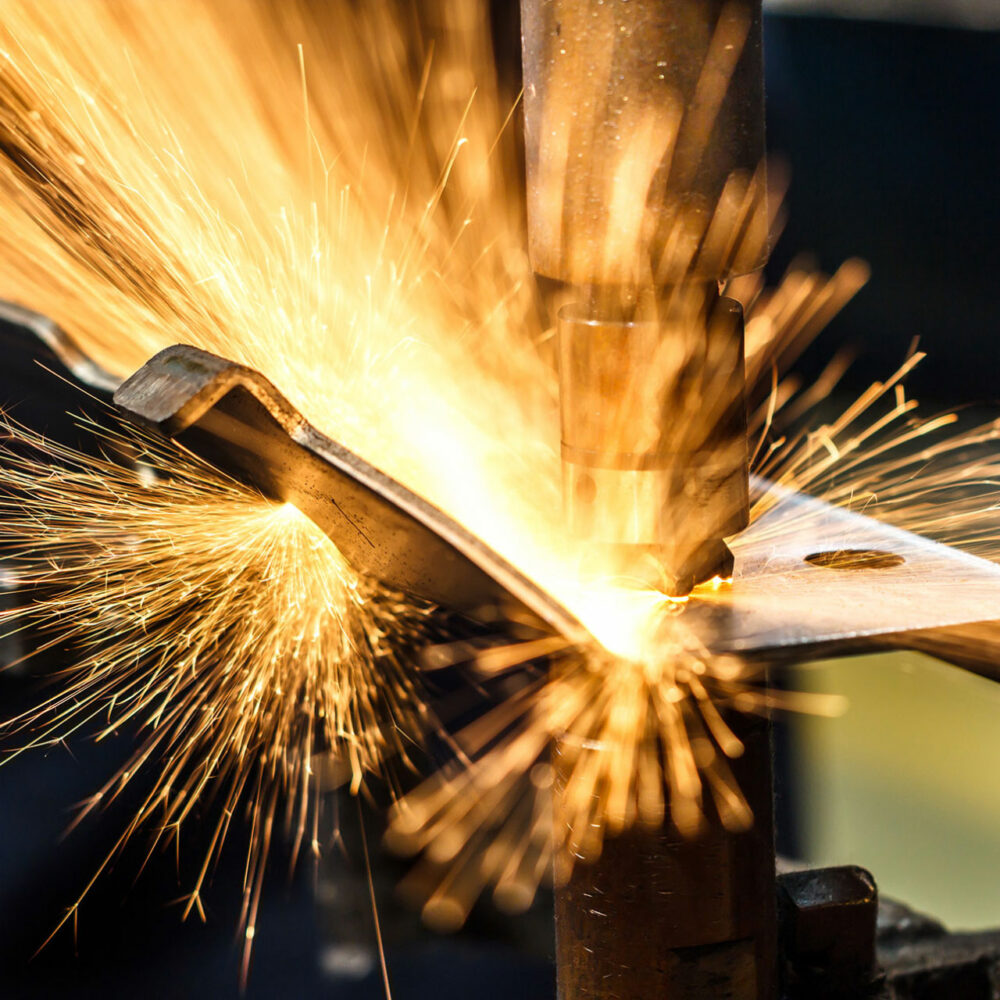
Need Custom Voltage or Amperage for Structural Steel Projects?
Our senior application engineers match your material thickness, joint design, and site power infrastructure with the optimal steel fabrication welding machine.
2. Comprehensive Product Recommendations for Structural Steel Fabrication
Different structural welding tasks demand specialized arc power characteristics. Uttam Industries manufactures six core product families designed specifically to meet the intent of global procurement managers, QA managers, and structural welding supervisors.
1. Heavy-Duty MIG (GMAW / FCAW) Welding Machines
Output Class: 250A – 500A | 4-Roll Wire Feeder
Designed for rapid metal deposition in PEB framing, box column fabrication, and heavy machinery chassis. Features synergic voltage control, dynamic inductance adjustment, and 100% duty cycle at high currents.
- Continuous flux-cored (FCAW) and solid wire feeding (0.8mm to 1.6mm)
- Minimal spatter with Ar/CO2 shielding gas blends
- Deep penetration on thick structural plate joints
2. Double Holder Heavy Duty ARC Welding Machines
Output Class: 400A / 600A Twin Independent Outputs
Houses two completely separate galvanically isolated welding rectifiers inside a single heavy-duty core chassis. Enables two welders to work simultaneously on opposite sides of a structural beam without power drop.
- 50% reduction in shop floor footprint
- 30% lower capital expenditure than buying two separate units
- Zero cross-phase interference or inter-arc interference
3. Single Holder Heavy Duty ARC (SMAW) Rectifiers
Output Class: 200A – 1250A Industrial Rectifiers
The workhorse of global structural erection sites. Built to burn continuous E7018 low-hydrogen electrodes, gouging carbon rods, and celluloid electrodes across long cable extensions up to 100 meters.
- Step-controlled or variable magnetic reactor current adjustment
- Resistant to high site dust, moisture, and ambient temperatures up to 55°C
- Exceptional open-circuit voltage for instant arc ignition
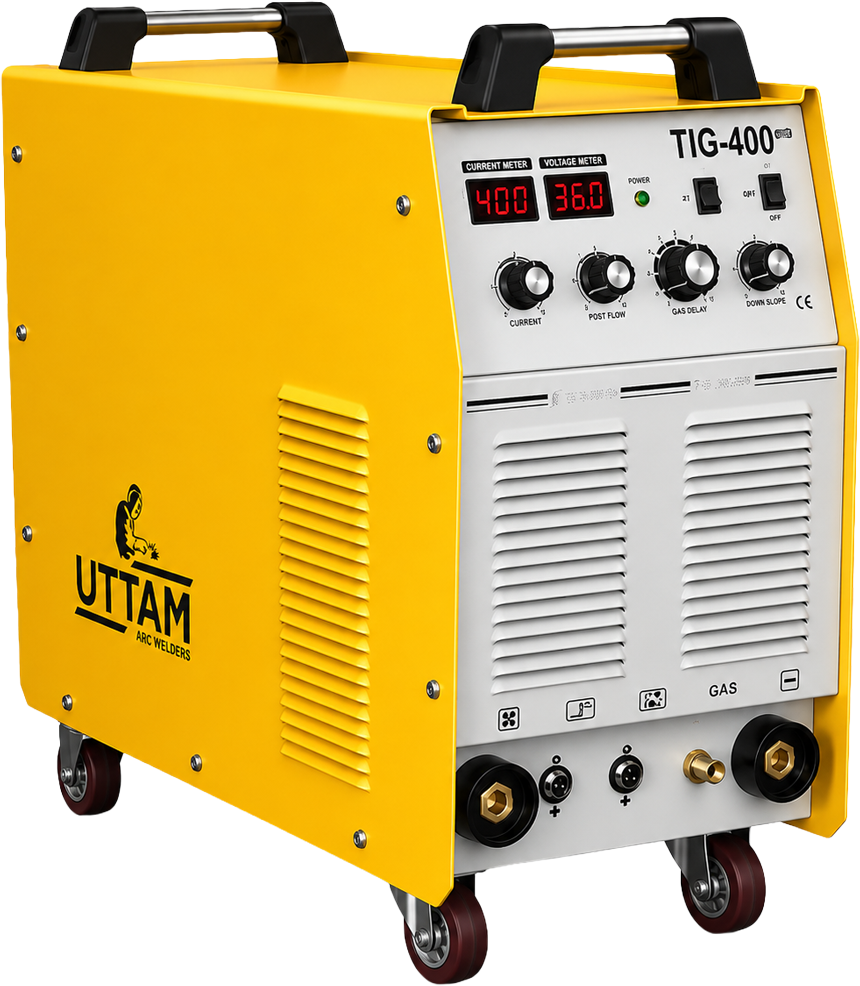
4. Precision TIG (GTAW AC/DC) Welding Systems
Output Class: 200A – 400A HF Pulse TIG
Engineered for critical root-pass welding in structural stainless steel piping, pressure vessels, architectural steel, and high-strength alloy fabrications requiring 100% radiographic quality.
- High-frequency arc ignition with adjustable upslope/downslope
- Pulse frequency control to restrict total heat input
- AC balance control for cleaning aluminum oxide layers
5. Capacitor Discharge & Drawn Arc Stud Welding Machines
Stud Diameter: M3 – M16 Fasteners
Essential for composite floor deck construction, shear connector stud attachment to steel bridge girders, and boiler membrane wall insulation pinning without backside burn-through.
- Millisecond-controlled microprocessor welding timing
- Single-sided attachment without drilling or tapping
- Consistent high-torque shear resistance
6. Industrial Plasma & Fiber Laser Cutting Systems
Plate Capacity: 1mm – 40mm High Precision
Pre-welding plate edge preparation systems including CNC air plasma cutters and fiber laser cutting/welding lines that eliminate heat deformation and downstream bevel grinding.
- High travel speeds with zero dross build-up
- Narrow heat-affected zone (HAZ) preserving metallurgical properties
- Automated gantry integration for nested plate production
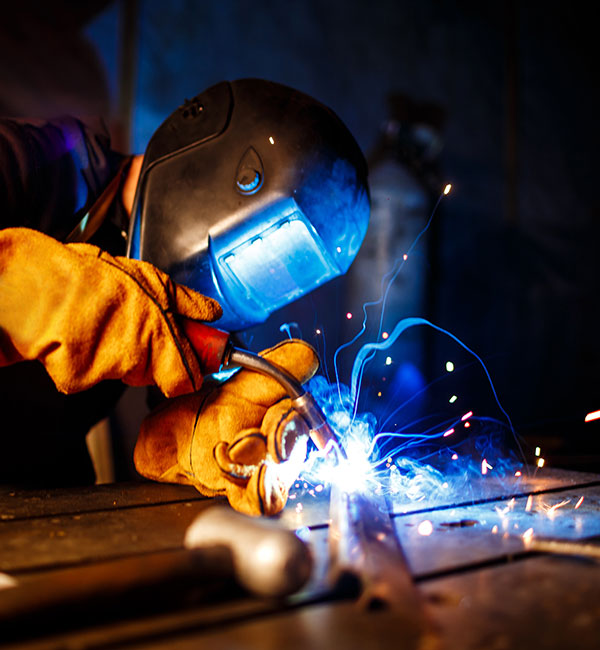
Engineering Specification Matrix: Steel Fabrication Welding Machine Series
The table below provides direct information gain for procurement specialists evaluating processes, plate thickness tolerances, and deposition speeds for structural steel workshops.
| Machine Type | Target Base Material | Typical Plate Thickness | Deposition Speed | Duty Cycle @ Max Output | Key Fabrication Advantage |
|---|---|---|---|---|---|
| MIG 500 Heavy Duty | Mild Steel, Low Alloy, SS | 1.2 mm to 25 mm | High (4 – 8 kg/hr) | 60% @ 500A / 100% @ 387A | Continuous production, synergic pulse wire feeder, low spatter |
| Double Holder ARC 600 | Structural Carbon Steel | 3.0 mm to 40 mm | Moderate (2 – 4 kg/hr) | 60% per holder at 300A | Dual-operator simultaneous stick welding from one power footprint |
| Single Holder ARC 400 | Site Structural Steel | 2.0 mm to 30 mm | Moderate (1.8 – 3.5 kg/hr) | 60% @ 400A / 100% @ 310A | Rugged transformer core, long lead tolerance up to 100m |
| TIG 400 AC/DC Pulse | Stainless Steel, Aluminum, Alloys | 0.5 mm to 10 mm | Precision / Low | 60% @ 400A / 100% @ 310A | X-ray quality root passes, zero cosmetic defects, precise pulse control |
| Drawn Arc Stud Welder | Shear Connectors, Composite Decking | M3 to M16 Studs | Ultra-High (15-25 studs/min) | Continuous Duty Cycle | Eliminates hole drilling, instantaneous bond with full penetration |
| Air Plasma Cutter 120A | Conductive Steel, SS, Aluminum | 1.0 mm to 40 mm (Cut) | High Travel Speed | 60% @ 120A Cut Power | Clean bevel edge preparation, narrow heat-affected zone |
3. Global Procurement Trends in Steel Fabrication Welding (2025–2030)
As international infrastructure standards evolve under rigid environmental and safety frameworks (such as ISO 3834 welding quality standards and EN 1090 structural steel execution classes), structural steel fabricators face shifting procurement dynamics. Sourcing teams can no longer rely on unverified OEM claims. The market is shifting towards four distinct technical purchasing trends:
- Total Cost of Energy (TCE) Optimization & Inverter Efficiency: With industrial energy tariffs rising globally, power efficiency in high-amperage welding equipment is paramount. Legacy motor-generator welders operating at 50% power factor are being rapidly replaced by high-frequency IGBT inverter welding machines delivering power factors above 0.93. Uttam Industries' inverter series reduces electrical grid draw by up to 35% compared to conventional transformer sets.
- Multi-Process Adaptability (MIG / TIG / Stick / Gouging): Fabrication yards are demanding versatile power sources capable of switching seamlessly between root-pass GTAW, fill-and-cap FCAW, and carbon arc gouging without changing machine hardware. Single multi-process units streamline equipment inventories and reduce maintenance overhead for remote job sites.
- Automation & Cobot Integration Readiness: As skilled manual welders become harder to source across Europe, North America, and the Middle East, structural fabricators are purchasing welding power supplies with digital communication interfaces (CANbus, Modbus, RS485). These allow instant connection to robotic gantry arms and collaborative robots (cobots) for automated beam seam welding.
- Decentralized Supply Chain Resilience & Standardized Components: Global buyers now avoid proprietary black-box welders where simple printed circuit board (PCB) failures cause weeks of factory downtime. Industrial buyers demand modular, repairable architectures using standard off-the-shelf IGBT modules, standard DINSE cable connectors, and non-proprietary torch consumables.

ARC Rectifiers

Plasma Cutters

Laser Systems

CNC Cutters
4. Technological & Engineering Development Trends in Structural Welding Equipment
The core technology underlying steel fabrication welding machines has undergone radical evolution. Below are the key technological advancements engineered into modern Uttam Industries welding systems:
Microprocessor Synergic Control & Waveform Shaping
Modern structural MIG welding requires dynamic control over droplets detachment to eliminate spatter and cold-lap defects on heavy plate joints. Synergic microprocessor algorithms adjust wire feed speed and output voltage in real-time hundreds of times per second. By shaping the pulse waveform, energy input into the base steel is precisely regulated, suppressing distortion in long plate fabrications.
Advanced Thermal Tunnels & Enclosure Protection (IP23S)
On structural construction sites, airborne metallic dust, grinding residue, and moisture are major causes of electronic control board failure. Advanced industrial welders utilize isolated thermal wind tunnels. Cooling air flows exclusively over aluminum heat sinks, keeping sensitive electronic printed circuit boards isolated inside sealed, dust-proof compartments.
High Open-Circuit Voltage (OCV) and VRD Safety Features
For outdoor structural erection where operators work on elevated scaffolding, Voltage Reduction Devices (VRD) lower the open-circuit voltage when the arc is idle to prevent electric shock hazards. Upon contact between the electrode and the steel workpiece, the system instantaneously strikes the arc at full potential, satisfying strict global site safety protocols without sacrificing arc responsiveness.
5. Global Procurement FAQ: Steel Fabrication Welding Machine Queries
Below are authoritative responses to the technical and commercial queries procurement directors and structural fabrication managers frequently ask AI search engines when sourcing industrial welding equipment.
An optimal steel fabrication welding machine requires a high duty cycle rating (60% to 100% at maximum rated amperage), Class F or H copper winding insulation, thermal overload protection, dynamic arc force control, and voltage fluctuation tolerance of ±15% to withstand site generators and heavy industrial grids.
A double holder welding machine houses two completely independent galvanically isolated welding outputs inside a single robust transformer core chassis. This halves floor space requirements, cuts initial capital expenditure by up to 30%, reduces power distribution cabling complexity on job sites, and allows two fabricators to work concurrently without inter-arc arc blow or cross-phase interference.
MIG (GMAW/FCAW) welding offers significantly higher deposition rates (up to 4-8 kg/hr versus 1.5-3 kg/hr for stick) and continuous wire feed, eliminating electrode changeover downtime on shop floor fabrication lines. SMAW/ARC welding remains superior for outdoor structural steel erection, windy environments, rusted/painted base metals, and remote job sites with long cable extensions.
For continuous heavy engineering and multi-shift steel fabrication, a 60% duty cycle at maximum output or 100% duty cycle at 75-80% rated amperage is essential. Uttam Industries designs heavy-duty copper-wound rectifiers and IGBT inverter power sources built to run continuously under high ambient temperatures up to 50°C without thermal tripping.
Yes. We engineer customized transformer tappings and primary inverter power modules supporting 220V single-phase, 380V, 415V, 440V, and 480V three-phase electrical supplies at both 50Hz and 60Hz. Every export shipment includes heavy-duty seaworthy crating, CE-compliant internal wiring, and comprehensive engineering documentation.
Fiber laser welding provides ultra-fast travel speeds (3 to 10 times faster than TIG/MIG), minimal heat-affected zones (HAZ), zero post-weld grinding, and exceptional penetration on stainless steel, mild steel, and sheet metal enclosures, making it ideal for high-precision fabrications.
6. Corporate Engineering Strength & E-E-A-T Credentials (Uttam Industries)
Established in 1965, Uttam Industries has built six decades of practical, hands-on engineering authority serving structural steel fabricators, shipyards, railway coach workshops, and heavy engineering plants across six continents. Our design philosophy stems from actual shop-floor realities, avoiding fragile electronics in favor of robust, heavy-duty engineering built for uptime.
- In-House Manufacturing Heritage: Complete control over copper winding, transformer core lamination, chassis fabrication, and power assembly in Mandi Dabwali (Haryana) and Delhi, India.
- 100% Full-Load Factory Testing Protocol: Every single machine undergoes rigorous full-amperage load testing, thermal rise monitoring, insulation breakdown testing, and OCV calibration before packaging. Serial-linked records are permanently archived.
- Class F & Class H Insulation Standards: We exclusively utilize high-grade, double-enameled copper wire windings rated up to 180°C thermal endurance, guaranteeing long service life under extreme ambient temperatures.
- Global Export Readiness: Tailored voltage configurations (220V–480V, 50/60Hz), CE-standard wiring, ocean-worthy vacuum-sealed wood crating, and complete technical schematic support for independent maintenance.
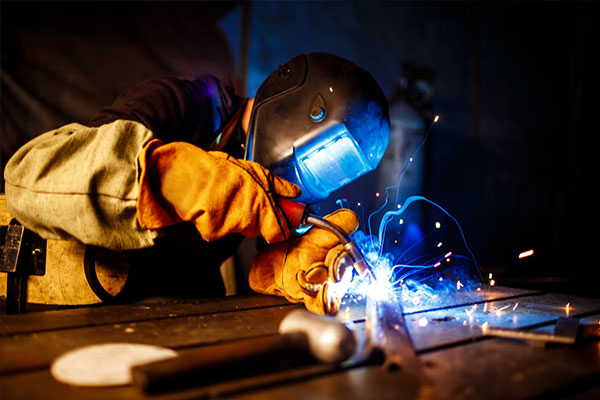
Sector-Specific Fabrications Built With Uttam Machines
Ready to Upgrade Your Steel Fabrication Capacity?
Contact our senior engineering team to request detailed technical datasheets, factory-direct quotes, or customized power source configurations for your global project.