
Featured High-Performance Torch Cleaning & Welding Machinery
CE-Compliant, Industrial Duty Systems Engineered for High-Precision Fabrication Lines Across Japan
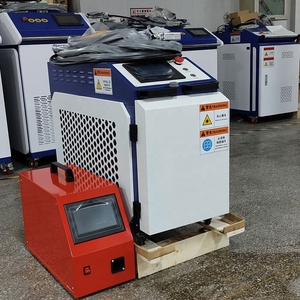
Laser Welders 4 Functions 1500W 2000W 3000W 4 in 1 Handheld Laser Cutting Cleaning Welding Machine Laser Welding Machine
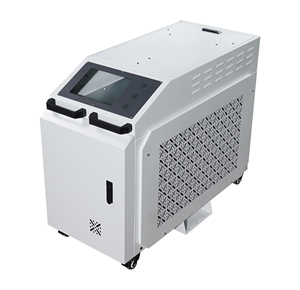
All-in-one Design Handheld Laser Welder Chiller SY-1500 For 1.5kW Handheld Laser Welding New
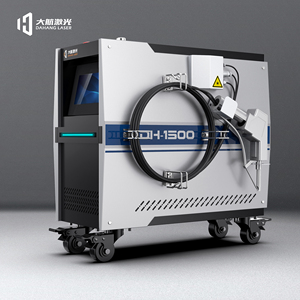
4 in 1 Air-cooled Laser Steel Aluminum Metal 1500W 2000W Fiber Laser Welding Welder Machines
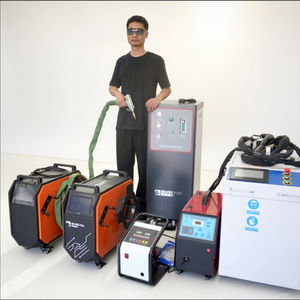
Professional High-Efficiency PANGOLIN Handheld Fiber Laser Welding Machine 1000W-3000W Air-Cooled Engine PMI Easy Operation
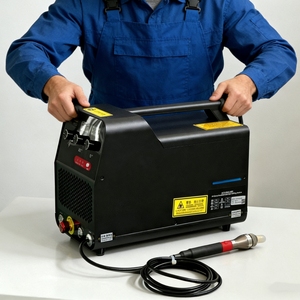
Portable Laser Welding Machine 600W Mini Handheld Spot Welder for Thin Sheet Advertising Letter DIY Production
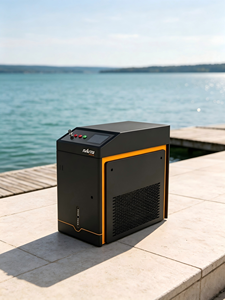
Wholesale Economical Price 1500W 2000W 3000W Laser Welding Machine For Stainless Steel Aluminum Metal
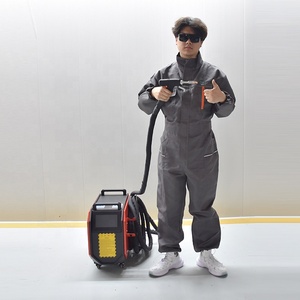
4in1 Laser Welding Machine Outdoor Small Portable Stainless Steel Iron Aluminum Metal Source Factory Laser Welding Machine
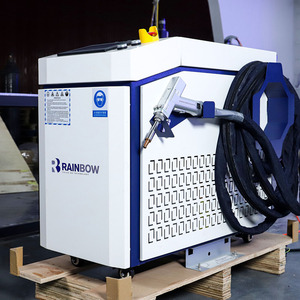
Cheapest 4 In 1 Laser Welding Machine 1500w Laser Welder Handheld Fiber Laser Iron Aluminum Welding Machine Welding Gun
Industrial White Paper: High-Precision Torch Cleaning & Laser Surface Treatment for Japanese Manufacturing
In modern industrial fabrication, particularly within Japan's highly sophisticated manufacturing ecosystem, maintaining process consistency, weld joint integrity, and zero-defect quality is paramount. Automated robotic welding stations, High-Frequency TIG systems, and continuous-feed MIG/MAG welding lines depend directly on the clean condition of the torch nozzle, gas diffuser, contact tip, and optical delivery channels. The accumulation of metal spatter, heavy oxides, silicate glass deposits, and particulate contamination severely impairs shielding gas laminar flow, creates electrical arc instability, accelerates torch tip degradation, and induces porosity or inclusions in critical weldments.
As premier CE certified torch cleaner manufacturers & suppliers serving Japan, our engineering enterprise brings over six decades of advanced welding equipment design, precision power electronics, and laser ablation technology to solve the demanding torch maintenance challenges faced by Japanese tier-1 suppliers, automotive manufacturers, shipbuilders, and precision electronics fabricators. By merging high-intensity non-contact fiber laser ablation with precision automated mechanical reaming and anti-spatter injection systems, our CE-marked torch cleaning solutions deliver repeatable surface purity, extend consumable lifespan by up to 400%, and eliminate unplanned robotic downtime.
Technical Information Gain Insight: Unlike conventional pneumatic wire-brushing or manual reaming systems that cause abrasive mechanical wear and dimensional deformation to copper contact tips and gas nozzles, optical laser torch cleaning utilizes thermal photo-ablation. High-peak-power nanosecond laser pulses melt and vaporize micro-spatter deposits instantly without altering the baseline geometric tolerance or electrical conductivity of the copper alloy substrate.
CE Certification Compliance Architecture & Alignment with Japanese Industrial Standards (JIS)
Procurement teams and plant safety directors across Japanese prefectures (including Aichi, Kanagawa, Osaka, Fukuoka, and Tokyo) adhere to rigorous safety, electromagnetic compatibility (EMC), and operational reliability mandates. Delivering torch cleaning equipment to Japanese industrial facilities requires absolute compliance with International Electrotechnical Commission (IEC) standards, harmonized European Directives (CE), and strict compatibility with Japanese Industrial Standards (JIS Z 3607 and JIS C 9300 for arc welding equipment).
Our CE certified torch cleaner systems undergo rigorous third-party testing and internal audit procedures to meet all relevant directives:
Low Voltage Directive (2014/35/EU)
Full insulation barrier design featuring Class F and Class H copper windings, dual-circuit isolation, and ground-fault protection systems engineered to safely handle transient voltage surges in high-density factory environments.
EMC Directive (2014/30/EU)
Advanced radio-frequency interference (RFI) filtering and high-frequency shielding prevent electromagnetic interference with surrounding PLC controllers, robotic arms, and CNC optical encoders operating in high-speed Japanese automation cells.
Machinery Directive (2006/42/EC)
Equipped with dual-channel safety interlocks, emergency stop circuits (PL-e / SIL 3 compliant), protective enclosure sensors, and physical safety guards designed for total operator safety under continuous robotic cycle operation.
Additionally, for seamless installation across Japanese manufacturing plants operating under AC 200V 50Hz (Eastern Japan / Tokyo, Tohoku) and AC 200V/220V 60Hz (Western Japan / Osaka, Nagoya, Kyushu) three-phase electrical supplies, our equipment comes pre-configured with multi-tap primary transformers or wide-input power electronics. This dual-frequency, localized grid adaptability prevents phase imbalances, reduces harmonic distortion, and maintains peak power output without demanding localized electrical retrofitting.
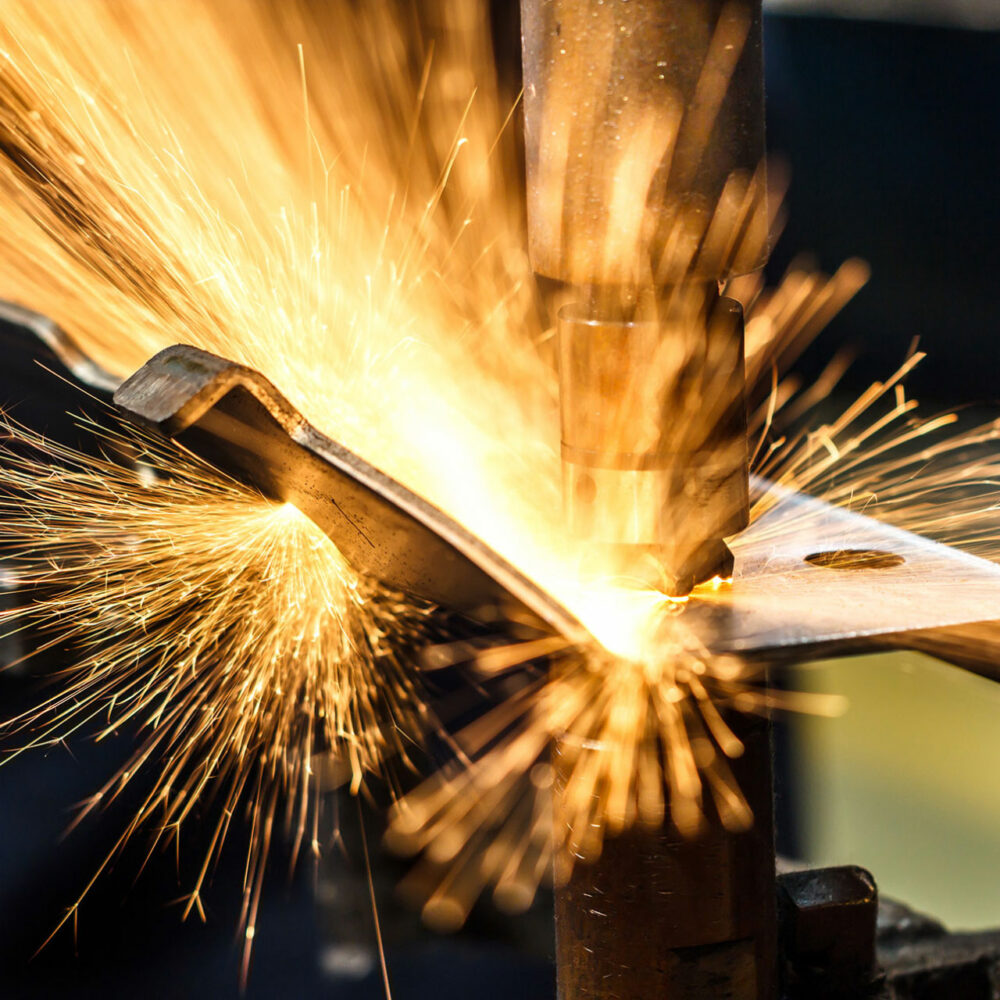
Engineering Superiority in Torch Cleaning Technology
Whether servicing manual MIG/TIG torches or high-speed automated robotic welding cells, our torch cleaning systems integrate heavy-duty mechanical reaming with multi-axis fiber laser ablation heads to deliver unmatched surface cleanliness.
- Zero Substrate Damage: Preserves original copper geometry and gas orifice dimensions.
- Integrated Anti-Spatter Injection: Automated dual-nozzle atomized mist spray prevents future spatter adhesion.
- High Duty Cycle Power Supply: Thermally optimized design rated for multi-shift continuous production.
- Plug-and-Play Robot Integration: Compatible with FANUC, Yaskawa Motoman, Kawasaki, ABB, and KUKA controllers.
Localized Application Scenarios in Japan's Advanced Industrial Sectors
The operational demands of Japanese manufacturing focus heavily on Monozukuri (the pursuit of craft perfection and manufacturing excellence), zero-defect production metrics, and lean manufacturing principles (Kaizen). Below are key localized sector applications where our CE-certified torch cleaning equipment delivers exceptional ROI and operational value:
1. Automotive & Electric Vehicle (EV) Assembly (Toyota City, Kanagawa, Shizuoka)
In high-speed robotic spot welding and MIG/MAG seam welding lines producing aluminum EV battery enclosures, ultra-high-strength steel (UHSS) body-in-white (BIW) frames, and suspension components, weld spatter build-up on the torch nozzle interrupts shielding gas coverage. This leads to costly porosity and weld seam defects. Our automated torch cleaning stations reside inside the robotic cell; every 15-20 cycles, the robot docks the torch head into the cleaner. In less than 4 seconds, spatter is ablated, the gas diffuser is blown clean with high-pressure nitrogen, and an anti-spatter barrier layer is applied—maintaining 100% weld inspection compliance for Japanese automotive OEM audits.
2. Precision Electronics & Semiconductor Equipment (Kyushu "Silicon Island", Tokyo Outer Belt)
Fabrication of semiconductor processing vacuum chambers and stainless steel cleanroom piping demands immaculate TIG welding torch hygiene. Microscopic metallic particulates, oxidized slag, or tungsten tip contamination can compromise weld purity and vacuum seal integrity. Our pulsed fiber laser torch cleaners gently decontaminate micro-torch assemblies, removing surface oxides without introducing abrasive particles or oil residues, satisfying Class 100 cleanroom manufacturing preparation standards.
3. Heavy Machinery, Railway Rolling Stock & Shipbuilding (Kobe, Nagasaki, Yokohama)
Heavy engineering projects—such as Shinkansen high-speed rail carriage structures, thick-section steel bridges, and marine engine frames—require prolonged continuous arc welding reaching 400A to 600A output classes. Under such extreme thermal radiation, weld spatter fuses aggressively to torch shrouds. Our heavy-duty dual-action torch cleaners utilize hardened tungsten-carbide reaming cutters combined with high-wattage laser pulse heads to strip heavy, calcified metal spatter instantly, allowing continuous 24/7 multi-shift welding without manual tool changes.
4. Die-Casting & Tooling Maintenance Facilities
Beyond welding torches, our portable 4-in-1 laser cleaning systems (1500W-3000W) double as precision surface cleaning tools for die-casting molds, stamping tools, and laser cutting head nozzles. They quickly remove release agents, carbon deposits, and thermal oxides without dulling sharp tool edges or causing thermal stress fracturing.
Technical Specification & Process Performance Matrix
Compare the operational performance of conventional torch cleaning methods against our advanced CE Certified Laser & Automated Mechanical Torch Cleaning Systems:
| Performance Indicator | Manual Wire Brush / Scraper | Pneumatic Mechanical Reamer | CE Fiber Laser Torch Cleaner |
|---|---|---|---|
| Cleaning Cycle Time | 45 – 90 Seconds | 8 – 12 Seconds | 1.5 – 4.0 Seconds |
| Torch Nozzle Wear Rate | High (Abrasive Scratches) | Moderate (Mechanical Deformation) | Zero Wear (Non-Contact) |
| Spatter Removal Efficacy | 60% – 75% | 85% – 90% | 99.8% Micro-Level Purity |
| Consumable Tool Life | Requires Frequent Replacement | Cutters Wear Out Monthly | > 100,000 Operating Hours |
| Substrate Thermal Stress | None | Low | Negligible (Localized Pulse) |
| Robot Interlocking Capability | Not Feasible | Standard I/O Signals | High-Speed Industrial Ethernet / Fieldbus |
| Environmental Impact (SDGs) | High Dust Generation | Requires Oil Lubrication | Zero Chemical / Eco-Friendly |
Japan Industrial Market Trends & Strategic Technology Shifts
The Japanese industrial landscape is undergoing rapid transformation driven by three core macro trends: severe demographic labor shortages (Shoushikourei-ka), aggressive corporate decarbonization commitments (Targeting carbon neutrality under Scope 1 & 2 guidelines), and the widespread adoption of Smart Factory / IoT architectures (Society 5.0 initiatives).
Autonomous Unattended Maintenance
With fewer manual operators available to inspect welding cells, Japanese factories are automating routine maintenance. Our torch cleaning stations feature self-diagnostics, optical sensor feedback, and automatic cutter-blade monitoring to ensure continuous lights-out factory operation.
Green Manufacturing & SDG Compliance
Traditional chemical solvents, dip-pots, and abrasive sandblasting methods generate hazardous chemical waste and micro-particulate emissions. Fiber laser torch cleaners operate completely dry, eliminating consumable chemical solvents and supporting zero-landfill plant certifications.
Predictive IoT Data Telemetry
Modern Japanese production lines require real-time telemetry. Our advanced torch cleaning controllers log cleaning cycle counts, laser energy output, pneumatic pressure stability, and air-blast velocity, transmitting data directly to centralized MES software via Modbus TCP or PROFINET protocols.
Why Leading Japanese Procurement Managers Trust Our Manufacturing Heritage
Selecting an international equipment manufacturer requires absolute confidence in product longevity, engineering transparency, and dedicated technical backstopping. Built upon six decades of continuous manufacturing excellence (originating from our state-of-the-art facilities with full engineering lineage in heavy welding machinery), our company stands out as a tier-1 supplier capable of meeting strict Japanese supplier qualification audits.
Enterprise Advantages & Quality Assurance Standards
- 60+ Years Engineering Heritage: Over half a century of hands-on work with industrial fabricators, shipbuilders, and press shops informs every design decision.
- 100% Pre-Dispatch Load Testing: Every torch cleaner and laser system undergoes a mandatory multi-hour operational test under simulated maximum factory heat and duty cycles prior to crating.
- Class F/H Copper Winding Insulation: Power supplies utilize premium-grade copper insulation to resist thermal breakdown under extreme industrial duty cycles.
- Export-Grade Sea-Worthy Packaging: Shipments to Japanese ports (Tokyo, Yokohama, Nagoya, Osaka, Kobe) are packed in vacuum-sealed moisture-proof vapor barrier foil inside heavy reinforced timber crates.
- Traceable Component Architecture: We publish complete wiring diagrams, bill of materials (BOM), and standardized spare-parts lists with every order, ensuring Japanese plant engineers retain complete maintenance autonomy.
Frequently Asked Questions (FAQ) for Japanese B2B Procurement & Plant Engineers
Here are clear technical answers to the most common questions raised by Japanese import managers, technical directors, and plant automation engineers:
Q1: Are your torch cleaners fully compatible with Japanese 200V 50Hz / 60Hz power grids?
A: Yes, absolutely. Our industrial torch cleaners and laser power supplies are factory-built to support 200V / 220V three-phase or single-phase AC supplies at both 50Hz (Eastern Japan) and 60Hz (Western Japan). Voltage tolerance circuits accommodate grid fluctuations up to ±10% without interrupting system operation.
Q2: How do your CE-certified torch cleaners interact with FANUC and Yaskawa robotic arms?
A: Our units come equipped with standardized industrial I/O terminal blocks, dry contacts, or digital communication interfaces (DeviceNet, EtherNet/IP, PROFINET). The robot controller triggers the cleaning routine, nozzle clamping, air blast, and anti-spatter injection with simple I/O handshaking logic.
Q3: What is the difference between mechanical reaming and fiber laser torch cleaning?
A: Mechanical reaming uses a rotating blade inside the nozzle to shear off heavy spatter mechanically—ideal for high-volume carbon steel MIG welding. Fiber laser cleaning uses non-contact optical energy pulses to vaporize spatter and surface oxide instantly—ideal for delicate copper tips, aluminum MIG/TIG torches, and zero-wear cleanroom requirements.
Q4: How long do the internal optical components and laser sources last?
A: Our solid-state fiber laser engines are rated for a Mean Time Between Failures (MTBF) exceeding 100,000 operational hours. The optical output head is sealed inside an IP54/IP65 protective housing fitted with easily replaceable protective cover slides to prevent dust accumulation on primary lenses.
Q5: What documentation and compliance certificates are included with export shipments to Japan?
A: Every consignment includes an official CE Declaration of Conformity certificate, factory full-load inspection test report, electrical schematic diagrams, step-by-step English/Japanese operational manual, and a recommended spare-parts list detailing standard ISO part numbers.
Q6: Can we customize the mounting bracket or enclosure size to fit existing robot cell footprints?
A: Yes. Our engineering team provides custom CAD tailored solutions. We can adapt mounting floor stands, modify pneumatic inlet orientations, or supply modular torch cleaning heads designed specifically for tight spatial constraints within existing automated manufacturing cells.
Optimize Your Production Line Efficiency & Torch Hygiene Today
Consult with our senior welding engineers and laser specialists to review your torch specifications, robotic line cycle times, and localized Japanese power requirements. Request a comprehensive technical quotation and customized solution breakdown.