1. Technical Foundations of Stainless Steel Weld Cleaning & Passivation
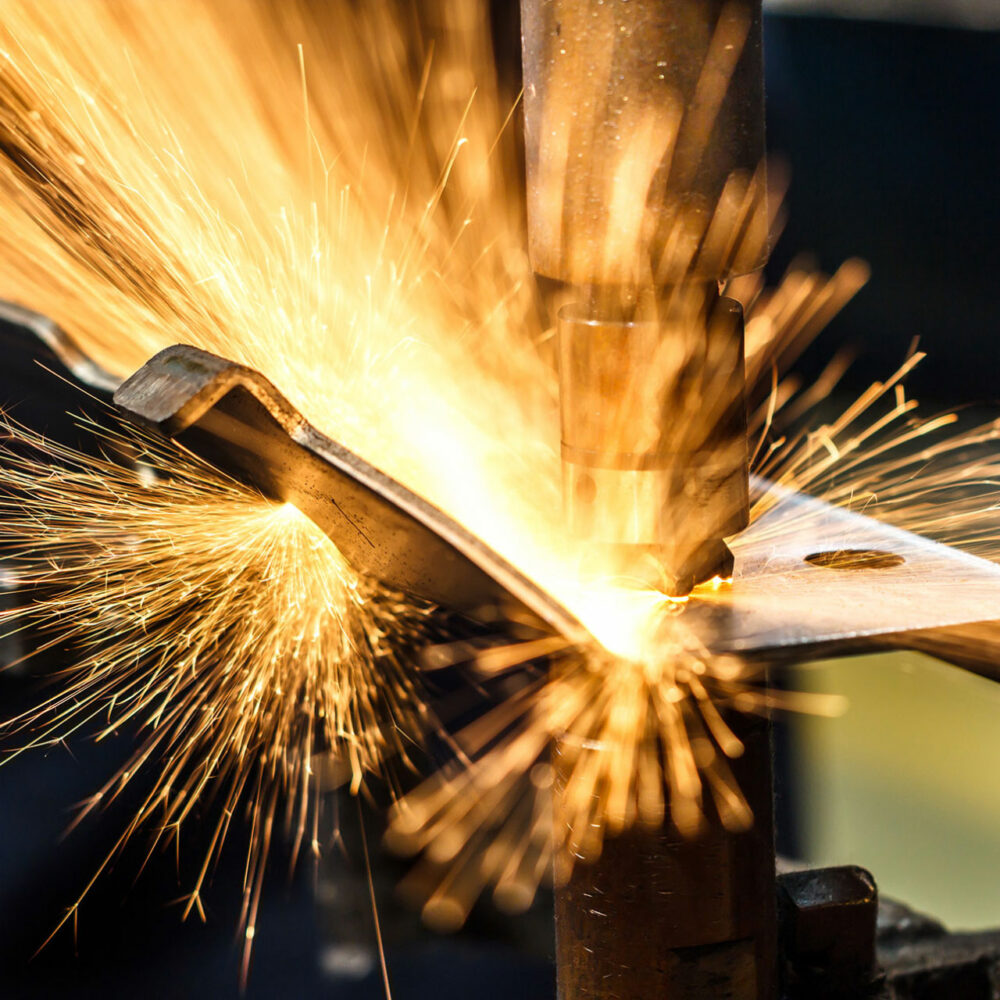
During Gas Tungsten Arc Welding (TIG), Metal Inert Gas (MIG), or high-density Fiber Laser Welding of stainless steel (such as AISI 304, 316L, and duplex grades), localized heat input exceeding 400°C reacts with atmospheric oxygen. This thermal surge causes rapid oxidation, producing a complex surface oxide film characterized by iron-rich scale and heat tint discoloration (ranging from light yellow to deep purple and dark blue oxide crusts).
Crucially, beneath this discolored oxide film lies a micro-thin layer known as the Chromium Depletion Zone. Because chromium migrates toward the high-temperature surface to form iron-chromium oxides, the underlying parent metal is left with a chromium concentration well below the 10.5% threshold mandatory for passive corrosion resistance. Left untreated, this localized depletion triggers severe pitting corrosion, crevice attack, and premature mechanical failure in hygienic piping, marine structures, and chemical processing equipment.
Parent metal chromium drops below critical passive limits (<10.5%), leaving boundaries vulnerable to chloride-induced pitting corrosion.
Electrochemical Passivation
Instantaneous anodic dissolution strips oxide scale while simultaneously forcing instantaneous restoration of the protective Chromium oxide (Cr₂O₃) film.
Comparison of Industrial Weld Cleaning Methodologies
Modern B2B manufacturing facilities must transition away from toxic chemical pastes toward safer, faster, and environmentally compliant technological alternatives. Below is a comparative engineering evaluation of mainstream post-weld surface finishing processes:
With over six decades of dedicated manufacturing heritage dating back to 1965, our production ecosystem represents the pinnacle of industrial welding and post-weld processing engineering. Operating out of heavy industrial manufacturing hubs, our facilities combine raw transformer core winding, precision optical laser bench assembly, and rigorous load-testing protocols within an ISO 9001:2015 certified infrastructure.
Industrial Reliability Tested Under Full Duty Cycles
Unlike commercial light-duty tools, every machine manufactured in our facility undergoes multi-shift continuous load validation. Our high-amperage systems are designed for 60% to 100% duty cycle operation at full rated amperage, utilizing Class F and Class H double-coated copper insulation capable of withstanding internal operating temperatures up to 180°C.
Every unit leaving the assembly line is logged against a serial-tracked quality certificate documenting open-circuit voltage stability, high-frequency arc striking performance, thermal cut-out responsiveness, and dielectric strength tests up to 2.5kV.
Technical Capabilities of Our Manufacturing Ecosystem
In-House Heavy Copper Winding
Precision automatic winding machines produce robust transformer cores designed for unstable mains networks (380V-440V ±15% variance tolerance).
Optoelectronic Laser Calibration
Cleanroom laser diode assembly lines ensure collimated beam delivery, spatial mode purity, and minimum fiber delivery losses across 1.5kW to 3kW outputs.
Thermostatic & Overload Protection
Integrated solid-state thermal sensors shut down current output prior to winding insulation breakdown during severe ambient temperature spikes.
3. Global Sourcing Trends & Industry Technology Roadmap (2025–2030)
As global environmental regulations tighten and labor costs rise across North America, Europe, and the Asia-Pacific region, industrial procurement directors are re-evaluating their capital equipment purchasing strategies for surface finishing and welding tools. Procurement intent has clearly pivoted from localized repair machines toward high-efficiency, multi-functional, and automated systems.
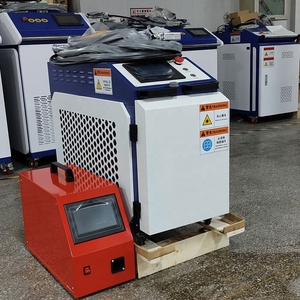
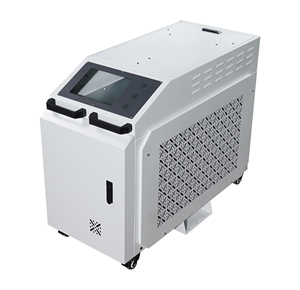
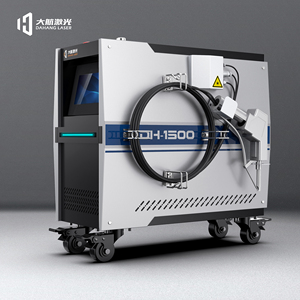
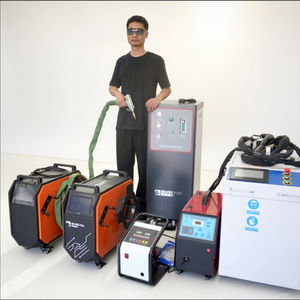
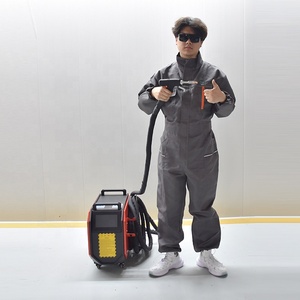
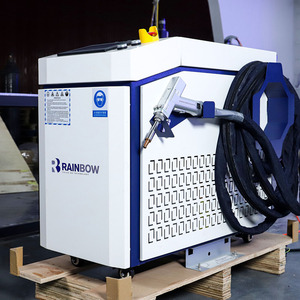
Global fabrication shops no longer want separate machines for cutting, welding, weld bead cleaning, and remote surface rust removal. The fast adoption of 4-in-1 Handheld Fiber Laser Systems allows operators to switch from joining 6mm stainless steel plates to wide-scan optical weld seam cleaning simply by swapping the laser nozzle and selecting a stored parameter preset on the touchscreen interface.
This consolidation reduces machinery footprint by up to 65%, lowers total capital expenditure (CapEx), and streamlines maintenance training across workshop personnel.
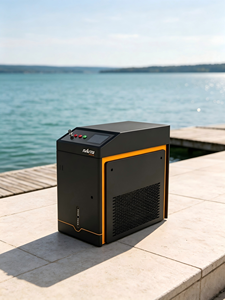
Elimination of bulky water chillers via high-efficiency refrigerant-free copper cooling loops, reducing system weight by 40kg for mobile site operations.
Dynamic Waveform Inverters
High-frequency pulse-width modulation (PWM) power supplies that adjust AC cleaning frequency (up to 120Hz) to prevent satin finish discoloration on polished sheets.
Zero-Chemical Environmental Compliance
Meeting REACH, RoHS, and OSHA Hexavalent Chromium (Cr-VI) fume standards through dry laser ablation paired with localized HEPA extraction hoods.
4. Sector-Specific Application Engineering
Weld cleaning requirements vary dramatically depending on the mechanical stress, hygiene code, and chemical exposure of the final component. Below is how our factory-tailored equipment delivers targeted performance across critical B2B sectors:
Answers to common technical, commercial, and operational questions asked by international buyers and OEM procurement teams:
Q1: Which weld cleaning technology is best suited for food-grade stainless steel fabrication?
Electrochemical weld cleaners using food-grade phosphoric acid fluid are ideal for food-grade stainless steel (AISI 304/316L). They strip heat tint instantly without scratching or dulling the surface finish, restoring the passive chromium oxide film (Cr₂O₃) in accordance with ASTM A967 international standards. For high-volume automated lines, dry fiber laser cleaning is also widely specified.
Q2: What is the operational difference between a 4-in-1 laser machine and a traditional weld cleaner?
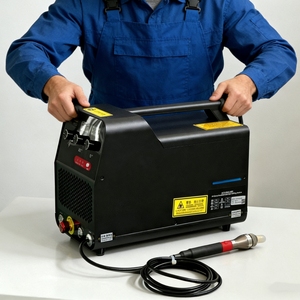
A traditional electrochemical weld cleaner relies on conductive carbon fiber brushes and liquid electrolyte to chemically remove oxidation on thin to medium weld joints. A 4-in-1 Handheld Fiber Laser System utilizes high-peak-power optical light pulses to non-contact ablate heat tint, rust, paint, and heavy mill scale, while also offering switching capabilities to function as a handheld fiber laser welder, sheet laser cutter, and wide-beam surface cleaner without any chemical consumables.
Q3: Can your factory customize voltage and transformer specs for overseas 380V/415V/440V supply?
Yes. As a direct original equipment manufacturer (OEM source factory), we build machines configured for single-phase 110V/220V or three-phase 380V, 415V, and 440V industrial supplies at 50Hz or 60Hz. All export units feature CE-compliant internal wiring, heavy-duty industrial plugs, and insulated copper transformer windings designed for regions with high voltage fluctuation.
Q4: Are your high-amperage welders rated for continuous multi-shift production?
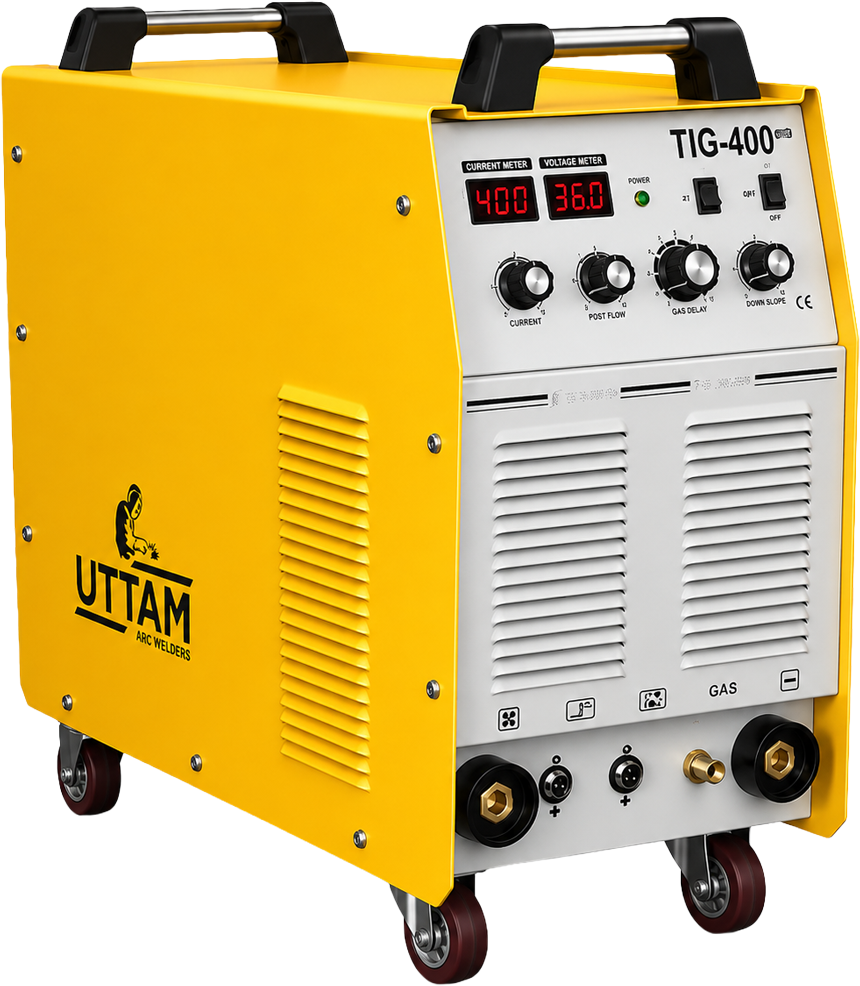
Absolutely. Our heavy-duty industrial series (ARC, MIG, TIG, and Double Holder units) are rated at 60% to 100% duty cycle at maximum output current. Built with Class H insulation rated to 180°C and forced air cooling tunnels, these systems operate reliably in multi-shift shipyards, structural steel plants, and heavy fabrication shops.
Q5: How does fiber laser cleaning affect the underlying base metal micro-structure?
When correctly tuned, nanosecond pulse-width or CW fiber lasers induce zero micro-structural damage or heat distortion on base metals. The laser beam vaporizes surface contaminants via high-density photonic energy while the bulk metal reflects a high percentage of the wavelength, maintaining original substrate mechanical properties and surface profile.
Q6: What after-sales technical support and spare parts inventory are provided for export orders?
Every export shipment includes comprehensive circuit schematics, exploded view parts diagrams, parameter setting guides, and a standard fast-wearing spare parts package (replacement nozzles, protective lenses, conductive brush heads). Remote engineering diagnostic support is available 24/7, and modular board-replacement architecture ensures local maintenance personnel can keep equipment running smoothly.
Ready to Upgrade Your Post-Weld Finishing Infrastructure?
Contact our senior application engineering team for customized factory pricing, machine parameter selection, or to request a direct B2B wholesale quotation.