
Featured Industrial TIG & Fiber Laser Welding Equipment
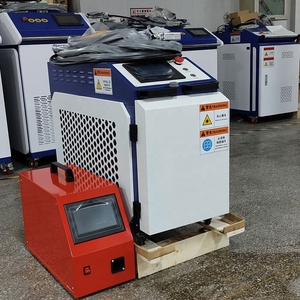
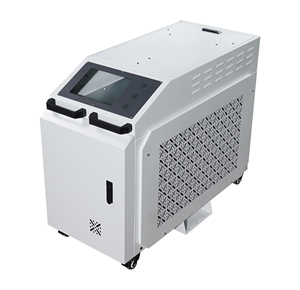
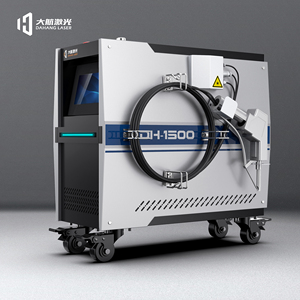
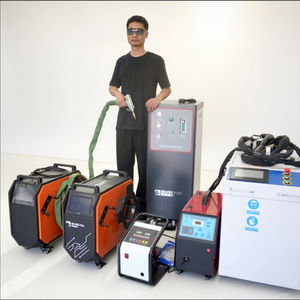
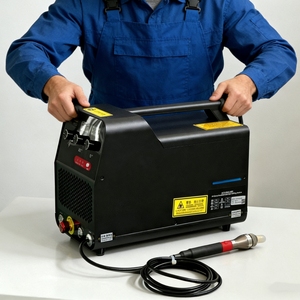
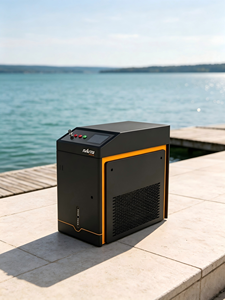
Discover our flagship export-grade welding and cutting systems. Engineered for duty-cycle stability, low heat-affected zone (HAZ) distortion, and high-yield automated fabrication.
Six Decades of Metallurgical & Inverter Innovation
Built to withstand harsh electrical grids, continuous shift operations, and extreme thermal conditions across worldwide fabrication facilities.
The Engineering Blueprint of Modern GTAW & Laser Integration
In modern high-precision metal fabrication, selecting between advanced Gas Tungsten Arc Welding (GTAW/TIG) and ultra-fast Fiber Laser Welding systems is a critical capital decision. As China’s premier TIG welder supplier and exporter, our engineering facilities focus on solving fundamental metallurgical challenges: minimizing the Heat-Affected Zone (HAZ), eliminating post-weld micro-fissuring, and optimizing electrical-to-thermal efficiency through advanced IGBT (Insulated Gate Bipolar Transistor) inverter topologies.
1. Inverter Power Topologies: IGBT vs. Conventional Transformers
Conventional heavy transformers present low energy efficiency (rarely exceeding 65%), significant inductive losses, and poor arc responsiveness under unstable mains voltage. Modern industrial TIG power sources engineered for export feature high-frequency switching circuits (typically 20 kHz to 100 kHz) utilizing solid-state IGBT modules. This architecture enables millisecond-level feedback loops that maintain arc stability even under voltage swings of ±15% (380V / 415V / 440V three-phase grid configurations).
Key technical benefits include:
- Square-Wave AC Balance Control: Independent adjustment of electrode negative (penetration) and electrode positive (oxide cleaning) during AC TIG welding of reactive alloys such as 6061/7075 aluminum and magnesium.
- High-Frequency (HF) Micro-Pulse Ignition: Eliminates tungsten contamination caused by touch-striking, guaranteeing clean radiographic-quality weld roots on high-pressure piping and aerospace ducting.
- Thermal Overhead Protections: Class H copper transformer insulation paired with forced-air wind-tunnel ducting to protect power components against ambient temperatures exceeding 45°C.
2. Metallurgy of Thin-Wall Stainless & Exotic Alloys
When joining thin-gauge stainless steel (304L, 316L, Duplex 2205) or nickel-base alloys (Inconel 625), conventional arc welding often introduces excessive heat input. This leads to carbide precipitation, distortion, and loss of corrosion resistance. Advanced AC/DC Pulsed TIG systems mitigate this by cycling between high peak current (to achieve deep penetration) and lower background current (to allow the weld pool to cool).
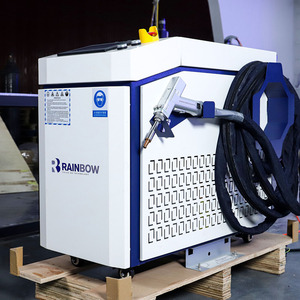
Furthermore, the emergence of Handheld Fiber Laser Welding (1000W–3000W) has transformed light-gauge metal processing. By delivering a concentrated energy density (up to $10^6 \text{ W/cm}^2$), fiber laser beams produce a narrow keyhole weld profile with an ultra-small heat-affected zone, reducing thermal distortion by up to 90% compared to traditional TIG process lines.
| Welding Technology | Speed (mm/s) | Heat-Affected Zone (HAZ) | Operator Skill Requirement | Max Single-Pass Penetration | Cosmetic & Radiographic Finish |
|---|---|---|---|---|---|
| Standard AC/DC Inverter TIG (GTAW) | 1.5 – 5.0 mm/s | Medium – Large | High (Manual Dexterity Required) | 6.0 mm (V-Bevel) | Exceptional (Radiographic Class 1) |
| Pulsed Micro-TIG System | 2.0 – 8.0 mm/s | Small – Controlled | High (Precision Parameter Setup) | 3.0 mm (Square Butt) | Flawless / Low Oxide Discoloration |
| 1.5kW – 3kW Fiber Laser Welder | 15.0 – 80.0 mm/s | Ultra-Narrow (< 0.5 mm) | Low (1-Day Training Curve) | 5.0 mm (Stainless/Carbon Steel) | Near-Mirror / No Post-Grinding |
| 4-in-1 Laser (Weld/Cut/Clean) | 10.0 – 60.0 mm/s | Ultra-Narrow | Low – Medium | 4.0 mm (Multi-Material) | Cleaned & Descaled Seam |
Why Global Procurement Engineering Teams Choose Us
From raw copper component sourcing to rigorous full-load burn-in testing, our production standards strictly adhere to ISO9001 quality management and CE safety directives.
Custom Inverter Winding
Unlike assembly factories using third-party transformers, we build high-purity copper windings in-house with Class F/H insulation, ensuring thermal stability up to 180°C continuous operation.
100% Load-Tested Dispatch
Every single TIG inverter and laser generator undergoes a mandatory 4-hour continuous full-load current test, dielectric breakdown check, and insulation resistance audit prior to crate packing.
Wide Voltage Adaptability
Configured for international cross-border grids (220V Single-Phase to 440V Three-Phase at 50/60 Hz), with protective varistors defending internal circuits against surges.
Consumable Standardization
Designed around global standardized wear parts (DIN/CE torch fittings, standard WP-17/18/26 TIG consumables, optical protective lenses), ensuring ready local availability for end-users.
Radiographic Quality Seams
High OCV (Open Circuit Voltage) and micro-pulse arc control produce clean, non-porous welds that reliably pass X-ray quality inspections in pressure vessel and nuclear piping projects.
Global OEM & Logistics Support
We support customized panel designs, multi-language software branding, seaworthy wooden crate packaging, and comprehensive spare-parts kits tailored for international buyers.
Global Procurement Trends in Industrial Joining Equipment
Analyzing technological shifts: How automation, fiber laser integration, and energy-efficiency standards are reshaping global purchasing strategies.
Trend 1: Transition from Conventional GTAW to Portable Air-Cooled Fiber Laser Units
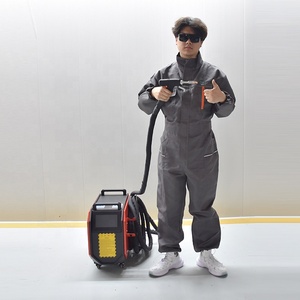
While traditional TIG welding remains unbeatable for specialized tube-to-tubesheet jointing and thick nuclear-grade pipe runs, sheet metal fabricators (0.8mm to 4.0mm) are rapidly shifting toward handheld fiber laser systems. The primary driver is labor costs: skilled TIG welders require years of trade training, whereas handheld laser guns equipped with smart wobble heads allow operators to achieve clean welds after minimal instruction. Modern air-cooled laser engines further reduce transport weight and maintenance overhead by removing bulky external water chillers.
Trend 2: Multi-Process 4-in-1 Workstations
Procurement departments are increasingly favoring multi-functional equipment that consolidates cutting, welding, weld-seam cleaning, and rust descaling into a single fiber laser console. This multi-use capability maximizes workshop space utilization and provides higher capital return on investment (ROI) for jobbing shops and repair yards.
Trend 3: Stringent Energy-Efficiency Metrics & Carbon Offsets
With industrial electricity tariffs rising globally, power conversion efficiency has become a key metric in commercial tenders. Modern digital inverter TIG power sources deliver power factor ratings up to 0.95 and operational efficiencies over 88%, significantly cutting power consumption during multi-shift factory operations compared to legacy transformer units.
Frequently Asked Questions by International Buyers
Technical and commercial clarity for import managers, factory owners, and procurement specialists.
Request Factory Direct Pricing & Technical Specifications
Need customized inverter parameter tuning, OEM private labeling, or bulk factory direct container quotes? Contact our chief applications engineers today for a tailored quotation within 12 hours.