
Industrial Plasma & Fiber Laser Cutting Systems
Engineered for high-volume metal fabrication, structural steel processing, and precision sheet metal production with verified 60%–100% duty cycle stability.
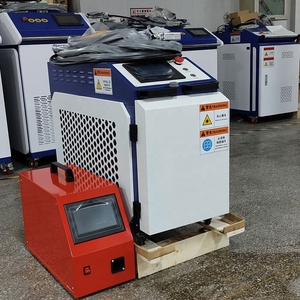
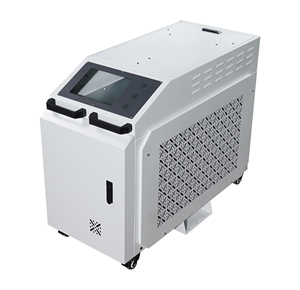
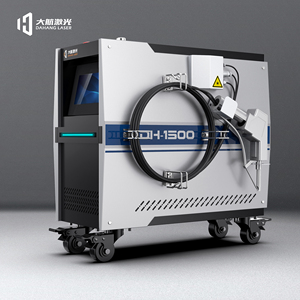
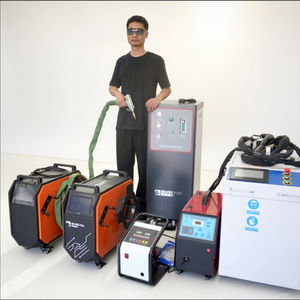
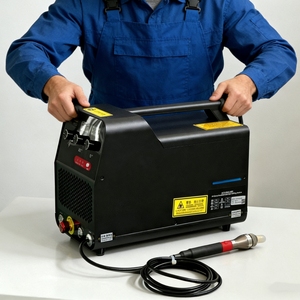
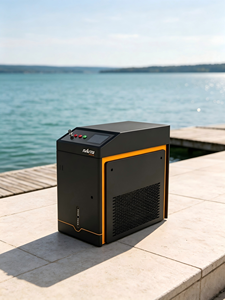

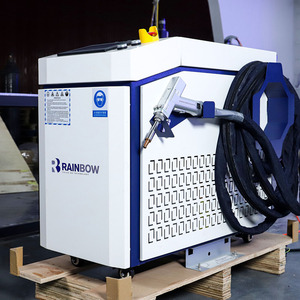
Evaluating China Best Plasma Cutter Manufacturers: Technical Competence & Quality Guidelines
Selecting an industrial-grade plasma cutting power source or CNC profile cutting system from top-tier Chinese manufacturers requires a deep technical understanding of arc physics, duty cycle ratings, high-frequency arc ignition dynamics, and inverter module topology. In modern heavy engineering, shipbuilding, structural steel fabrication, and automotive assembly lines, cut-edge squareness, heat-affected zone (HAZ) minimization, and long consumable life directly dictate operational profit margins.
Leading original equipment manufacturers (OEMs)—drawing upon decades of metallurgical design and electrical transformer manufacturing expertise—have elevated plasma cutting from simple thermal severance to high-precision CNC profiling. With 60 years of foundational manufacturing heritage rooted in copper-wound power transformers, class F/H insulation standards, and heavy-duty rectifiers, modern plasma cutters manufactured in China meet stringent CE, ISO, and international industrial duty standards.
Information Gain Insight: Unlike standard commercial plasma cutters that degrade in output under elevated ambient temperatures, industrial-grade power units are calibrated against a 40°C ambient baseline at 60% to 100% continuous duty cycles. This thermal headroom ensures zero current derating during multi-shift operations in demanding fabrication environments.
Key Structural Advantages of Industrial Cutting Power Sources
Future Sourcing & Technology Trends in Metal Cutting (2025–2030)
As global industrial procurement shifts toward total cost of ownership (TCO) optimization and Industry 4.0 factory integration, the market for plasma cutters and laser equipment is experiencing three transformative technological shifts:
- Convergence of Hybrid Fiber Laser & High-Definition Plasma Systems: Heavy plate fabricators are increasingly deploying dual-head CNC gantries combining fiber laser torches for fine inner-hole cutting with heavy plasma torches for thick external contour beveling, reducing cycle times by 40%.
- Gas-Dynamic Torch Nozzle Optimization: Advanced vortex air flow nozzles compress the plasma arc column, increasing energy density by 25%. This yields bevel angles of less than 2 degrees while extending consumable electrode life three-fold compared to conventional air plasma torches.
- Automated Voltage Feedback & Arc Distance Regulation: Real-time voltage sensing automatically adjusts torch height relative to plate warpage during continuous cutting runs, preventing torch crashes and maintaining flawless kerf uniformity.

Rigorous 100% Load-Testing Protocol Before Global Dispatch
Every plasma cutting system and laser machine manufactured in our facilities undergoes exhaustive full-load calibration. We do not rely on spot-checks; every inverter module, transformer winding, and gas solenoid valve is tested continuously under maximum rated load to verify real-world heat dissipation, electrical insulation resistance, and output current stability.
- Class F/H insulated copper windings engineered for heavy multi-shift operations.
- Universal input power adaptation (220V single-phase to 380V/415V/440V 3-phase, 50/60 Hz).
- Serial-linked quality assurance records for complete component traceability over a 10-year service life.
Industrial Cutting Process Comparative Matrix
Evaluate process parameters across Air Plasma, Fiber Laser, and Oxy-Fuel cutting technologies to optimize your factory floor throughput and procurement budgeting.
| Cutting Process | Optimal Thickness Range | Cutting Velocity | Kerf Width / Precision | Heat Affected Zone (HAZ) | Relative Operating Cost |
|---|---|---|---|---|---|
| Air Plasma Cutting | 1.0 mm – 45.0 mm | High to Very High | 1.2 mm – 2.5 mm (Moderate) | Narrow to Medium | Low to Moderate |
| Handheld / Fiber Laser | 0.3 mm – 8.0 mm | Ultra High | 0.1 mm – 0.4 mm (Extreme) | Minimal / Negligible | Very Low (High Speed Yield) |
| Oxy-Fuel Cutting | 25.0 mm – 200.0+ mm | Low | 2.5 mm – 4.5 mm (Coarse) | Wide Thermal Distortion | High Gas Consumption |
| Heavy CNC Plasma Gantry | 3.0 mm – 65.0 mm | High (Automated) | 0.8 mm – 1.8 mm (Controlled) | Controlled via Water Table | Highly Economical per Meter |
Why International Buyers Partner With Established Manufacturers
Navigating global sourcing for heavy industrial welding and cutting machinery requires clear verification of manufacturer capabilities. With six decades of engineering evolution, our production infrastructure bridges the gap between high-capacity production output and custom application engineering.
Unlike trading agencies that resell standard off-the-shelf units, our direct manufacturing operations handle complete transformer winding, PCB enclosure assembly, current tap calibration, and final load verification in-house. This direct oversight enables total customization for international export markets: voltage tolerances adjusted for unstable grid environments, custom-length torch leads, heavy-duty mobile trolley mounts, and water-cooled torch packages integrated seamlessly.
Heavy Copper Windings & Modular Serviceability
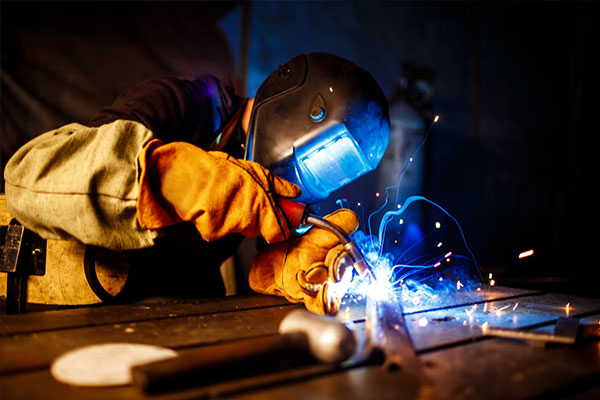
The heart of a long-lasting industrial plasma power supply lies in its transformer and choke coil construction. We utilize premium-grade copper magnet wire insulated to Class H standards (180°C thermal limit), preventing short-circuit breakdown during extended continuous heavy piercing cycles.
Furthermore, our modular sub-assembly layout ensures overseas maintenance technicians can perform rapid component diagnosis and part replacement using standard tools, avoiding costly machine downtime.
Frequently Asked Technical Questions by Global Buyers
Key insights regarding electrical parameters, export compliance, duty cycle limits, and after-sales technical support.
Need Engineering Guidance for Your Cutting Production Line?
Consult with our technical application engineers to determine the exact plasma current rating, duty cycle, gas mix, or fiber laser power source for your material specifications.