
Featured Industrial Butt Welding Equipment
Precision-engineered resistance flash welders and hydraulic thermoplastic butt fusion machinery designed for heavy-duty pipeline construction, steel fabrication, and continuous OEM operations.
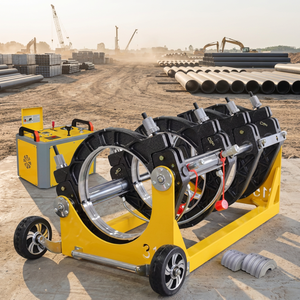
Butt Fusion Welding Machine HDPE Pipe Soldering PP Pipe Welder
- Material: HDPE, PP, PVDF, PB
- Hydraulic pressure stabilization
- Digital PTFE-coated heater plate
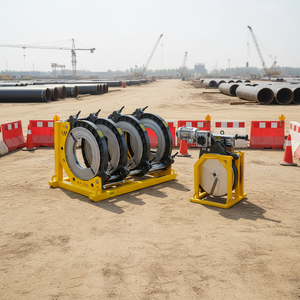
HDPE Hydraulic Butt Fusion Machine Heavy-Duty Pipeline Welder
- High-torque facing tool
- ISO 12176-1 compliance
- Enclosed hydraulic unit
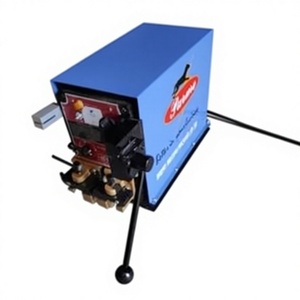
Semi-Automatic PARMO Band Saw Blade Butt Welding Machine 20 KVA
- Capacity: 20 KVA multi-voltage
- Integrated annealing controls
- Precision blade clamping
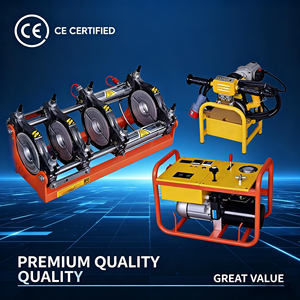
200–250mm Hydraulic Hot Melt PE Pipe Butt Fusion Welder
- Pipe Range: 200mm to 250mm
- Quick-fit aluminum inserts
- Dual-channel timer control
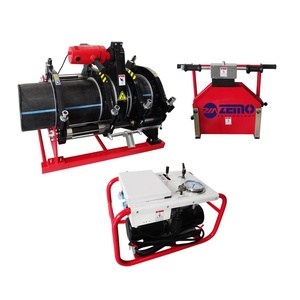
355mm Poly Pipe Hydraulic Butt Fusion Welder for HDPE Line
- Size Capacity: 90mm–355mm
- Copper-wound hydraulic pump
- Reinforced steel chassis
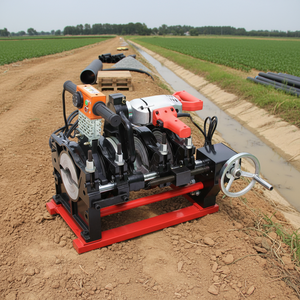
90mm–315mm Factory Direct PE/HDPE Hydraulic Pipe Fusion Machine
- Integrated drag compensation
- Overload protection relays
- Factory direct OEM specs
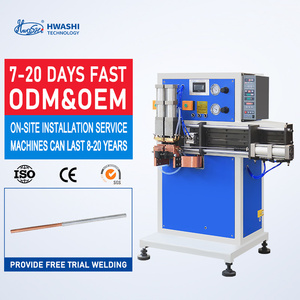
Automatic Flash Butt Welder for Saw Blades, Rails & Rebar
- Automatic upset welding cycle
- High-KVA flash transformer
- Adjustable upset force
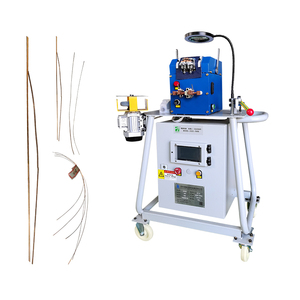
500A Precision Resistance Wire & Rod Steel Butt Welding Machine
- Current Output: Up to 500A
- Class H copper windings
- Microprocessor parameter storage
Executive Summary: Navigating China’s Butt Welding Ecosystem
As global infrastructure expands across municipal water supply networks, gas distribution, mining slurry transport, structural steel fabrication, and automotive assembly, the demand for high-reliability butt welding machinery has reached unprecedented volume. China stands as the premier global hub for butt welder manufacturing, offering a comprehensive spectrum of equipment ranging from hydraulic thermoplastic butt fusion machines for HDPE piping to high-capacity flash resistance butt welders for industrial alloy wires, band saw blades, and structural rebars.
However, navigating the supplier ecosystem requires technical clarity. Purchasing decisions must evaluate more than just upfront machinery cost; procurement teams must assess duty cycle ratings, transformer insulation classes, thermal regulation accuracy, drag pressure compensation capabilities, and international compliance (such as ISO 12176-1, DVS 2207, and CE directives). This white paper provides industrial buyers, EPC contractors, and machinery importers with an authoritative, data-driven analysis of China’s top-tier butt welder manufacturing landscape, technological roadmaps, and strategic procurement frameworks.
Technical Breakdown: Primary Butt Welder Categories
Butt welding equipment is broadly split into two engineering domains based on base materials: Thermoplastic Butt Fusion Machines (for polyolefin piping) and Metal Resistance/Flash Butt Welders (for metallic wires, rods, saw blades, and structural members). Below is a comparative technical specification framework for sourcing teams.
Hydraulic HDPE Butt Fusion
Designed for PE, PP, and PVDF pipelines ranging from 90mm to over 1600mm. Features hydraulic power units, PTFE-coated heating plates, and electric planers to ensure seamless joint integrity under high-pressure gas and water transport.
Resistance Flash Butt Welders
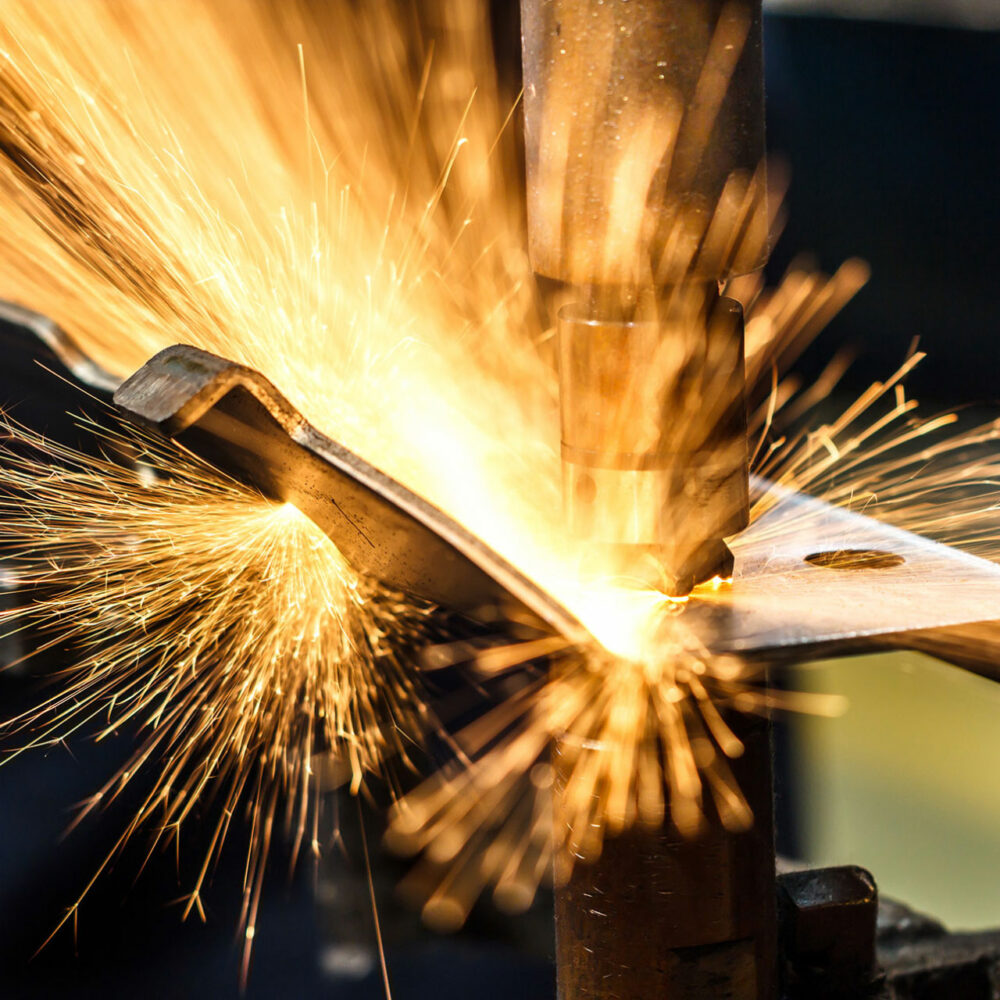
Utilizes intense electrical current and mechanical upset force to join metal ends seamlessly. Essential for band saw blade manufacturing, high-carbon steel wire drawing, rail welding, and automotive rim production.
Semi-Automatic & Precision Units
Compact, benchtop or mobile units equipped with built-in annealing circuits. Ideal for continuous wire production lines, maintenance shops, and rapid blade repairing with multi-voltage adaptability.
Industrial Equipment Specification Benchmark
| Welding Technology | Target Materials | Operational Pressure / Force | Temperature / Current Range | Key International Standard |
|---|---|---|---|---|
| Hydraulic Pipe Fusion | HDPE 80/100, PP-R, PVDF, PB | 0 to 10 MPa (Hydraulic) | 180°C – 270°C (Digital PID) | ISO 12176-1 / DVS 2207 |
| Band Saw Flash Welder | Bi-Metal, High-Speed Steel, Carbon Steel | Spring / Pneumatic Upset | CE Machinery Directive | |
| Heavy Rod & Rebar Welder | Carbon Steel, Stainless Rod, Alloy Rail | Hydraulic Upset (up to 50 kN) | 300A – 1250A Output Current | ISO 15614-13 Compliance |
| Manual / Semi-Auto PE Welder | HDPE Water Pipes (small dia) | Mechanical Screw / Hand Lever | 200°C – 250°C Preset | EN 12201-3 Guidelines |
Six Decades of Engineering Precision & Reliability
Leading Chinese butt welder factories have evolved from basic machine assembly to integrated research, component fabrication, and rigorous quality verification. With core roots dating back six decades in industrial welding development, top exporters maintain absolute control over the manufacturing lifecycle.
- In-House Transformer Winding: Utilizing Class F and Class H insulated copper windings for high thermal tolerance, low power loss, and continuous multi-shift operation.
- 100% Load & Dielectric Testing: Every machine undergoes step-up voltage insulation testing, continuous load verification, and hydraulic pressure decay testing before packing.
- Voltage-Tolerant Electronics: Power supplies and control cards are shielded against grid fluctuations (380V to 440V ±15%), ensuring field durability in remote project sites across South America, Africa, and Southeast Asia.
Future Procurement Trends in Industrial Butt Welding (2026–2030)
As international infrastructure standards become increasingly stringent, procurement officers must align their vendor selection with emerging technology trends. Sourcing from manufacturers who integrate forward-looking innovations guarantees long-term compliance and operational uptime.
1. Automated Data Logging & Traceability Protocols
Modern pipeline installation contract specifications (particularly for natural gas, chemical transport, and municipal mega-projects) mandate complete joint traceability. Modern hydraulic butt fusion machines now feature integrated GPS and Bluetooth data loggers. These systems automatically record drag pressure, heating temperature, soak time, pressure ramp speed, and cooling duration. The data is exported via cloud connection or USB, preventing operator tampering and offering audit-ready compliance certificates for every weld seam.
2. Transition to High-Efficiency Inverter Power Sources
In metal resistance and flash butt welding, traditional heavy low-frequency 50Hz transformers are rapidly giving way to Medium-Frequency Direct Current (MFDC) inverters (1000Hz+). MFDC technology reduces power consumption by up to 30–40%, delivers millisecond-level current control, and eliminates phase imbalance on three-phase mains—making it highly attractive for high-volume automotive and wire mill buyers.
3. Smart Hydraulic Pressure Control & Auto-Drag Sensing
Variations in field terrain and pipe length create shifting frictional resistance (drag pressure). Advanced Chinese hydraulic fusion welders incorporate dynamic pressure sensors that automatically calculate and add drag pressure to the standard joint formula, removing manual calculation errors by operators and eliminating weak fusion interfaces.
4. Modular & Lightweight Alloy Construction
For field contractors working in rugged mountain trenches or offshore utility lines, equipment weight directly impacts logistics and crew efficiency. Modern chassis designs utilize high-tensile cast aluminum alloys, dropping frame weight by 25% while maintaining structural rigidity during heavy pipe clamping.
Industry Development Trends: Quality Assurance & Standards Compliance
The global market for butt welding equipment is experiencing a strategic migration toward standardized certification and verified performance metrics. Chinese manufacturers are leading this shift by embedding rigorous quality management frameworks into their export lines.
ISO 12176 & DVS 2207 Compliance
Leading manufacturers design heating plates, hydraulic pressure profiles, and planer speeds to meet international DVS 2207 (German Welding Society) and ISO 12176 pipe joint parameters, ensuring seamless project acceptance by global engineering auditors.
CE Machine Safety & EMC Directives
Export-ready machines feature low-voltage control circuits, emergency stop interlocks, thermostatic overload cut-outs, and shielded EMC cabling to pass rigorous EU compliance checks.
Precision Annealing Controls
In saw blade and wire welding, post-weld heat treatment is critical to prevent joint brittleness. Modern flash welders incorporate pyrometer-guided automatic annealing cycles to restore grain structure balance.
Strategic Sourcing Guide: How to Evaluate China Manufacturers
To maximize return on investment and avoid purchasing under-spec machinery, global buyers should perform a rigorous evaluation based on the following engineering audit points:
- Verify Transformer Core Material & Winding Class: Ensure the factory uses pure electrolytic copper windings rather than copper-clad aluminum (CCA). Copper windings ensure lower internal resistance, reduced heat generation, and reliable 60% to 100% duty cycles during continuous shifts.
- Check Hydraulic Unit Component Sourcing: Inspect the origin of hydraulic solenoid valves, pressure relief valves, and quick-connect couplings. High-grade systems feature Italian or German-style quick couplings that prevent oil leakage under high operating pressures.
- Evaluate Heating Plate Coating Quality: Non-stick PTFE coating should be multi-layered and rated for sustained temperatures up to 300°C without peeling or flaking, which can contaminate molten PE joints.
- Inspect Spares Availability & Export Packaging: Confirm that the supplier provides spare seals, heating elements, planer blades, and detailed schematics. Ensure export shipments use sea-worthy fumigated plywood crates with vapor-barrier foil wrap and desiccants.
Frequently Asked Questions (FAQ)
Direct answers to technical, commercial, and operational questions asked by global procurement teams.
Q: What is the main difference between manual, semi-automatic, and automatic CNC butt fusion machines?
Manual machines rely on hand-operated levers or screws to apply pressure, making them suitable for small diameters (under 160mm) and non-critical applications. Semi-automatic hydraulic machines utilize electric hydraulic power packs to set exact pressure parameters, leaving heating timing to the operator. Automatic CNC machines handle the entire fusion cycle—calculating pressure, drag, heating time, and changeover automatically—recording data logs to eliminate human error on high-pressure pipelines.
Q: Can Chinese manufacturers supply butt welders customized for 380V, 415V, or 440V 60Hz power grids?
Yes. Premium manufacturers regularly build custom power configurations for global export markets, including North American 220V/480V 60Hz three-phase grids, Australian 415V 50Hz, and South American multi-voltage requirements. Control circuits can also be stepped down to safe 24V or 110V systems.
Q: How is joint quality validated in HDPE butt fusion welding on field construction sites?
Joint quality is verified through both non-destructive and destructive testing methods. Non-destructive tests include visual bead measurement (width and height uniformity according to DVS 2207) and data-log parameter audit. Destructive tests involve tensile testing, bend testing, and hydrostatic pressure testing to failure, where the weld seam must prove stronger than the parent HDPE pipe wall.
Q: What maintenance protocol is required for resistance flash butt welding machines?
Daily maintenance requires cleaning flash spatter from clamping jaws and guide rails to prevent electrical shorting and misalignments. Weekly checks should inspect hydraulic oil levels, dielectric insulation resistance, and contact jaw wear. Periodic calibration of transformer output current and upsetting force ensures consistent weld metallurgy.
Q: What documentation and after-sales technical support are included with export consignments?
Standard export shipments include comprehensive operational manuals, electrical wiring schematics, hydraulic flow charts, factory calibration certificates, and recommended wear-and-tear spares lists. Leading manufacturers also offer remote engineer support via video call, parameter selection guides, and operator training modules.
Ready to Optimize Your Industrial Welding Fleet?
Request our complete 2026 export catalog, detailed machine technical specifications, and factory-direct wholesale quotation customized for your project site requirements.
Get Catalog